• Link to Facebook
  • Link to Pinterest
  • Link to LinkedIn
  • Link to Icon_name
Put Your Home In Our Hands
J.E.P. Contracting
  • Home
  • About
    • Happy Clients
    • Recent Projects
  • Process
  • Services
  • Gallery
  • Resources
    • Ebooks
    • Blogs
    • FAQs
    • Recommended Vendors
  • Careers
  • Contact
  • Book an appointment
  • Menu Menu
home-renovation-ideas

Aging Gracefully at Home: Renovation Ideas for Comfort and Safety

May 15, 2025/in Blogs/by Patrick Perkins

Home is more than a place—it’s where memories are made, comfort is found, and life is lived. As we grow older, our needs and routines change, and so should our living spaces. Aging in place is about staying in the home you love, while ensuring it continues to support your health, safety, and independence.

Fortunately, thoughtful renovations can make your home not only safer but also more functional and beautiful. Whether you’re planning ahead or adjusting to current needs, these renovation ideas help create a home that grows with you.                 
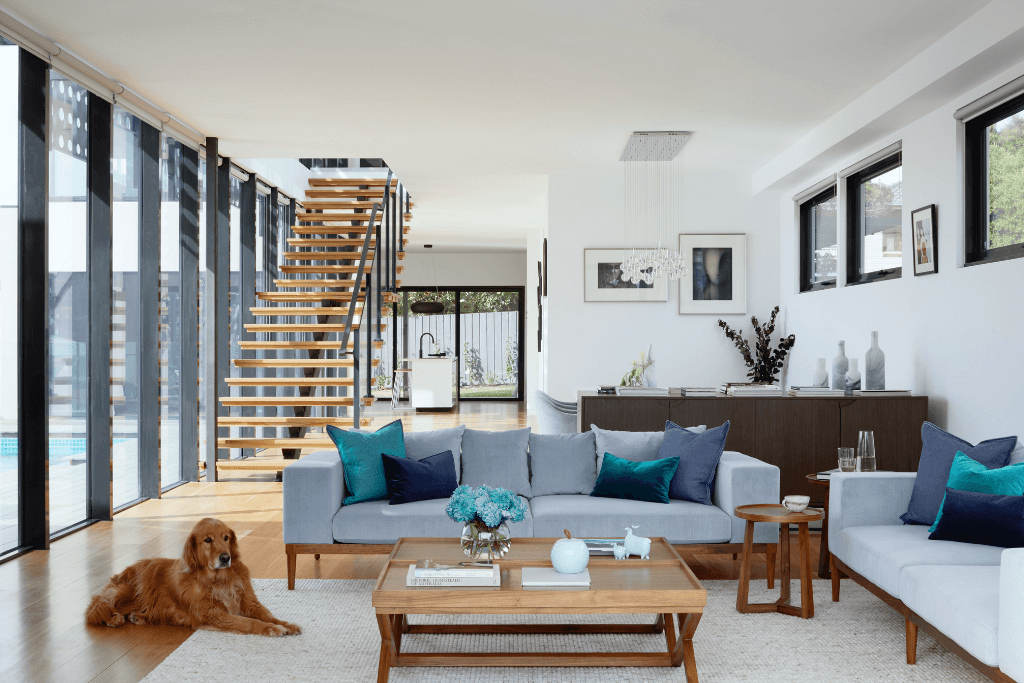
15 home renovation ideas to boost your property's value - Lendi            

The Heart of the Home: Kitchen Upgrades for Ease

The kitchen is often the most used room in the house, so it’s important to make it accessible and easy to navigate.

Ideas to consider:

  • Pull-out shelves and drawers: Make it easier to reach pots, pans, and pantry items.
  • Lever-style handles: Easier to operate than knobs, especially for arthritic hands.
  • Counter height adjustments: Customize counters for seated or standing use.
  • Slip-resistant flooring: Reduces the risk of falls in a high-traffic area.
  • Under-cabinet lighting: Improves visibility during food prep.

Modern kitchens can also integrate smart appliances, such as ovens with safety shut-off features or refrigerators that alert you when items are running low. Touch-activated faucets and induction cooktops can add both convenience and safety.

Bathroom Safety: Where Function Meets Comfort

Bathrooms can pose a risk for slips and falls, but simple upgrades make a big difference.

Renovation ideas:

  • Walk-in showers: With no-step entries, grab bars, and built-in seating.
  • Non-slip tiles: Provide secure footing when wet.
  • Raised toilets: Easier on knees and joints.
  • Handheld showerheads: Offer greater flexibility and control.
  • Ample lighting: Eliminate shadows and improve safety.

Adding features like anti-scald devices and motion-sensor lighting further enhances the safety and comfort of this essential space. Warm towel racks and heated flooring can also add a touch of luxury.

Smooth Transitions: Flooring and Mobility

Moving through the home should be easy and obstacle-free.

What to focus on:

  • Widened doorways: Accommodate mobility aids like walkers or wheelchairs.
  • Low-threshold transitions: Minimize steps between rooms and hallways.
  • Durable, smooth flooring: Hardwood, vinyl, or low-pile carpet are safe and easy to maintain.

Eliminating trip hazards, such as throw rugs and uneven surfaces, is key. Consider installing handrails in hallways or areas with frequent movement.

Lighting the Way: Visibility and Ambiance

Good lighting isn’t just about aesthetics—it’s crucial for safety and comfort.

Lighting enhancements:

  • Motion-sensor lights: Illuminate hallways and bathrooms automatically at night.
  • Task lighting: In kitchens, reading areas, and workspaces.
  • Adjustable fixtures: Control brightness levels for various needs.

Skylights and larger windows can introduce more natural light, reducing the need for artificial lighting during the day and boosting overall mood and wellness.
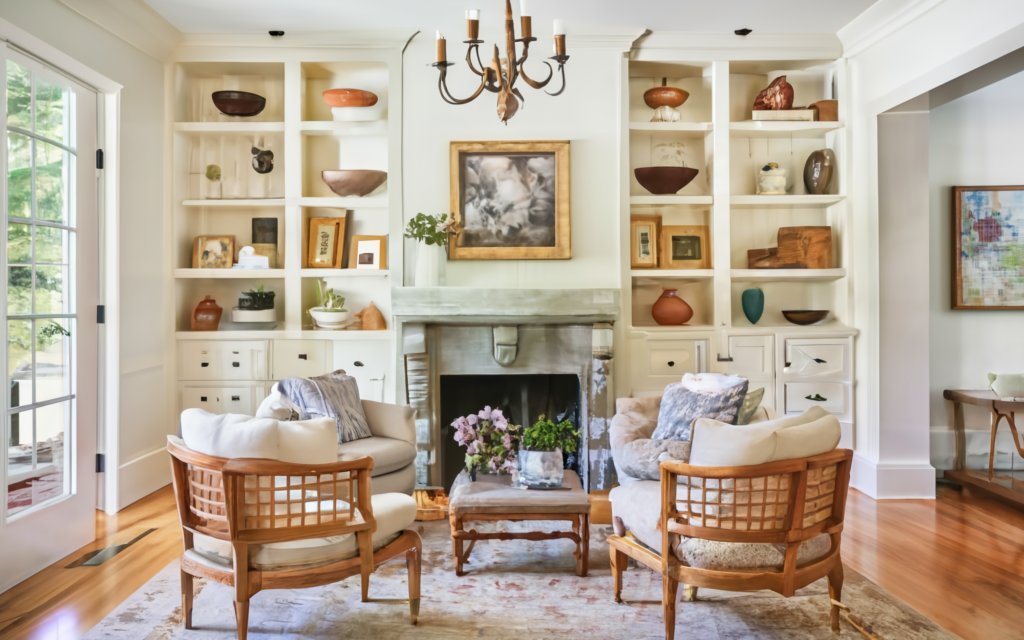
10 Best Home Remodeling & Renovation Ideas for 2025 - Foyr

Accessible Entryways: First Impressions That Welcome

Coming and going should be safe and easy.

Upgrades to consider:

  • Ramps or gradual slopes: Replace steps at entryways.
  • Keyless entry systems: Eliminate the need for keys.
  • Lever-style door handles: Easier grip for all ages.
  • Adequate exterior lighting: Improves safety and visibility at night.

Covered entryways and no-step thresholds can also protect against the elements and offer smoother transitions indoors.

Smart Home Technology: Convenience at Your Fingertips

Technology can make daily tasks easier and provide added security.

Smart features:

  • Voice-controlled systems: Manage lights, temperature, and entertainment.
  • Video doorbells and security cameras: Monitor who’s at the door.
  • Medical alert systems: Offer peace of mind in case of emergencies.
  • Automated thermostats: Maintain a comfortable indoor climate effortlessly.

Apps and devices that allow remote monitoring of the home environment can also be helpful for family members or caregivers.

Outdoor Spaces: Enjoying Nature Safely

Spending time outdoors is beneficial for physical and mental health. Safe, accessible outdoor areas encourage activity and relaxation.

Outdoor upgrades:

  • Smooth, level walkways
  • Sturdy handrails on steps and decks
  • Raised garden beds for easier gardening
  • Comfortable, weather-resistant seating
  • Shade structures to protect from sun exposure

A well-lit, accessible outdoor space invites more time in nature, promoting wellness and social interaction.

Planning Ahead: Future-Proofing Your Home

Aging in place is about anticipating future needs and creating flexibility.

Consider:

  • Main floor living: Include a bedroom, full bathroom, kitchen, and laundry on one level.
  • Flexible spaces: Rooms that can adapt over time (e.g., office to guest room to caregiver suite).
  • Energy-efficient upgrades: Save on utilities and maintenance over time.

Designing with the future in mind helps avoid costly changes later and ensures comfort through all life stages.

Emotional Benefits: Staying in a Familiar Environment

Beyond the physical advantages, aging in place offers emotional and psychological benefits. Staying in a familiar setting can reduce stress, support memory, and maintain social connections within the community.

Personal touches, like family photos, heirlooms, and familiar furniture, help create a sense of security and continuity. These emotional comforts are just as important as physical safety.

Financial Considerations: Investing Wisely

While some renovations require an upfront investment, they can save money in the long run compared to the cost of assisted living or frequent moves. Additionally, many aging-in-place renovations increase property value.

Look into local or national programs that offer financial assistance for accessibility modifications, and consult with professionals to prioritize projects based on needs and budget.

Final Thoughts: Comfort, Safety, and Style

Aging in place doesn’t mean compromising on style or comfort. With thoughtful renovations, your home can evolve with you—supporting independence, enhancing safety, and creating spaces you love.

From accessible kitchens and bathrooms to smart home technology, these upgrades ensure that your home is not just a place to live, but a place to thrive. Aging gracefully at home is about more than just staying put—it’s about living well, with confidence, comfort, and joy.

With the right planning and the right team, your home can remain your sanctuary for years to come.


house-new-windows

The Bright Side of Home Upgrades: Why Andersen Windows & Doors Make a Difference

April 15, 2025/in Blogs/by Patrick Perkins

There’s something undeniably uplifting about natural light flooding into a room or the quiet satisfaction of feeling secure and cozy behind well-crafted doors. Windows and doors may seem like small parts of your home, but they play a huge role in how your space looks, feels, and functions every day.

When it comes to upgrading these essential features, Andersen Windows & Doors consistently rise to the top. Known for their quality, innovation, and timeless style, Andersen products can elevate both the aesthetics and efficiency of your home. Let’s explore why choosing Andersen is a bright idea for your next home improvement project.             

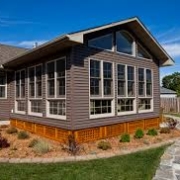
The Best Home Exterior Upgrade Ideas | National Assemblers              

Let There Be Light: The Power of Natural Illumination

Natural light does more than just brighten a room—it transforms it. Sunlight creates a warm, inviting atmosphere, makes spaces feel larger, and even boosts mood and productivity. Andersen windows are designed to maximize light, with expansive glass panels, slim frames, and a variety of styles to suit any space.

From classic double-hung windows to dramatic floor-to-ceiling picture windows, Andersen offers options that let the light in while framing stunning outdoor views. Imagine sipping coffee in a sunlit kitchen nook or watching the sunset through expansive patio doors—these are the everyday moments that windows can enhance.

Additionally, increased natural light can reduce your dependence on artificial lighting, cutting down on electricity costs and creating a healthier indoor environment. Exposure to natural light has been linked to better sleep patterns, improved focus, and even a stronger immune system—all benefits that enhance your overall well-being.

Energy Efficiency: Comfort That Pays Off

Drafty windows and doors are more than a nuisance—they can drive up energy bills and make your home less comfortable. Andersen products are engineered with energy efficiency in mind. With advanced glazing, weather-resistant materials, and tight seals, they help maintain consistent indoor temperatures year-round.

Whether it’s the chill of winter or the heat of summer, Andersen windows and doors work to keep your home cozy while reducing energy use. Many options are ENERGY STAR® certified, meaning they meet or exceed strict efficiency standards. Over time, these upgrades can lead to noticeable savings—and a smaller carbon footprint.

Modern Andersen products come with a range of glass options, including Low-E glass, which minimizes heat transfer and blocks harmful UV rays. This protects your furniture, flooring, and art from fading while maintaining indoor comfort. Additionally, their dual-pane and triple-pane windows provide superior insulation, further contributing to energy savings.

Durability and Craftsmanship: Built to Last

Quality matters, especially when it comes to features that endure daily use and exposure to the elements. Andersen has built a reputation for durability, using premium materials like Fibrex® composite, which is twice as strong as vinyl and resistant to fading, flaking, and corrosion.

This means your windows and doors stay looking great and functioning flawlessly for years to come. Plus, Andersen backs their products with robust warranties, offering peace of mind along with lasting value.

Beyond materials, Andersen’s attention to detail in craftsmanship is evident in every product. Smooth operation, tight sealing, and aesthetic appeal are all hallmarks of their commitment to excellence. When you invest in Andersen, you invest in a product that is engineered for performance and designed to withstand time and the elements.

Style and Customization: Designed for You

Your home is an expression of your personality and taste. Andersen makes it easy to find windows and doors that complement your style. With a wide range of colors, finishes, grille patterns, and hardware options, you can tailor each piece to match your vision.

Whether your aesthetic leans traditional, modern, or somewhere in between, Andersen has design options that fit. And with customizable shapes and sizes, the possibilities are nearly endless. It’s about more than function—it’s about creating a cohesive, beautiful home.

Explore different window styles:

  • Casement Windows: Side-hinged for maximum ventilation and unobstructed views.
  • Awning Windows: Hinged at the top, perfect for airflow even during light rain.
  • Bay and Bow Windows: Add dimension and charm, creating cozy nooks.
  • Sliding Windows: Sleek and space-saving for contemporary homes.

For doors, options range from classic French doors to sleek, modern multi-slide doors that create wide, open transitions to the outdoors. These design elements allow homeowners to make bold statements or subtle enhancements that align with their personal style.

Indoor-Outdoor Living: Expanding Your Space

One of the biggest trends in home design is blending indoor and outdoor spaces. Andersen patio doors—from French doors to contemporary sliding doors—help create seamless transitions between the comfort of indoors and the beauty of nature.

These doors not only allow light and views to pour in, but they also encourage flow between spaces, perfect for entertaining or simply enjoying fresh air and sunshine. Strong, secure, and easy to operate, Andersen doors make indoor-outdoor living a breeze.

Imagine opening a wall of glass doors to a backyard patio for a summer BBQ or letting cool evening breezes drift through your home. These design choices not only improve functionality but elevate your lifestyle, making outdoor spaces feel like natural extensions of your home.

Increased Home Value: A Smart Investment

Upgrading to Andersen windows and doors isn’t just about immediate benefits—it’s a long-term investment. Quality windows and doors enhance curb appeal, boost energy efficiency, and increase overall home value.

Potential buyers notice the difference. When it’s time to sell, homes with high-quality, well-maintained windows and doors often stand out in a competitive market. It’s an upgrade that pays dividends both now and in the future.

Real estate professionals often cite window and door replacements among the top renovations for return on investment (ROI). Not only do these upgrades improve the look and feel of your home, but they signal to buyers that the property has been well cared for, giving you a potential edge when selling.

Sustainability: A Commitment to the Planet

Andersen takes sustainability seriously. Their manufacturing processes prioritize energy efficiency and waste reduction, and many of their products are made with recycled materials. The Fibrex® material used in many of their windows is composed of 40% reclaimed wood fiber by weight, combining sustainability with performance.

By choosing Andersen, homeowners support eco-friendly practices and benefit from products that contribute to a greener future. Reducing energy use, minimizing waste, and investing in durable materials all align with the goals of environmentally conscious living.

Installation: Getting It Right

Even the best windows and doors won’t perform well if they’re not installed properly. Andersen offers certified installation services and works with experienced contractors to ensure each product is fitted correctly.

Proper installation means:

  • Optimal energy efficiency
  • Smooth operation
  • Long-term durability
  • Valid warranties

It’s worth investing in professional installation to maximize the benefits of your new windows and doors.

Final Thoughts: See Your Home in a New Light

Replacing your windows and doors may not be the flashiest renovation, but it can be one of the most impactful. With Andersen, you get the perfect blend of beauty, performance, and reliability.

It’s about more than windows and doors—it’s about transforming your home into a brighter, more comfortable, and more stylish place to live. So open the door to possibility and let the light in—with Andersen, the future looks bright.

From increased comfort and efficiency to enhanced aesthetics and home value, Andersen Windows & Doors offer a holistic approach to home improvement that you can feel good about. When you invest in Andersen, you’re not just upgrading your home—you’re elevating your everyday experience.


images-2-80x80.jpg

Kitchen Upgrades That Inspire: Design Ideas for Cooking and Gathering

March 15, 2025/in Blogs/by Patrick Perkins

The kitchen isn’t just a place to prepare meals—it’s the heart of the home. It’s where family recipes are passed down, morning coffee rituals take place, and spontaneous conversations turn into cherished memories. Whether you’re a culinary enthusiast or simply love a beautiful, functional space, upgrading your kitchen can transform your daily life.     

From clever storage solutions to stunning design features, a kitchen renovation is an opportunity to create a space that is both practical and inspiring. Let’s explore design ideas and trends that can elevate your kitchen into a place you love to cook, gather, and unwind.

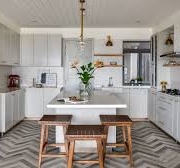
8 Easy DIY Kitchen Upgrades | Imperial Inspection Services, LLC

Open Concept Layouts: Connecting Spaces

Gone are the days of closed-off kitchens hidden from view. Open concept kitchens have become a favorite in modern home design, allowing for seamless interaction between the kitchen, dining, and living areas. This layout not only maximizes space but also fosters connection.

Imagine cooking while chatting with family in the living room or entertaining guests without missing a beat. Open layouts make your kitchen feel larger, brighter, and more welcoming. The removal of walls not only opens sightlines but allows natural light to flood into the kitchen, creating a sense of warmth and space.

When planning an open concept kitchen, consider the flow of movement between spaces, the placement of appliances, and how furniture and design elements can define each area while maintaining cohesion. Use rugs, lighting, or ceiling treatments to subtly differentiate zones without closing them off.

Functional Islands: More Than Just Counter Space

Kitchen islands have evolved from simple workstations into multifunctional hubs. Today’s islands often feature built-in sinks, dishwashers, and even cooktops. They provide additional storage, serve as casual dining areas, and offer the perfect spot for meal prep.

Design Tip: Opt for an oversized island if space allows. Add pendant lighting above it for a stylish focal point and consider incorporating outlets for added convenience. Waterfall countertops, contrasting cabinetry colors, and integrated appliances can all make your island a statement piece.

Islands also create opportunities for social interaction, allowing family members or guests to gather while the cook is busy. A well-designed island can become the center of the home’s social life, bridging the gap between cooking and entertaining.

Smart Storage Solutions: Declutter with Style

A clutter-free kitchen is a joy to work in. Smart storage solutions help keep everything organized and accessible. Think:

  • Pull-out pantry shelves
  • Deep drawers with dividers
  • Corner carousel cabinets
  • Appliance garages
  • Custom drawer inserts for utensils, spices, and cookware

Custom cabinetry tailored to your needs can make a big difference. It’s about finding a place for everything, so your countertops stay clear, and your kitchen functions effortlessly. Hidden storage, toe-kick drawers, and vertical tray storage make use of every inch of space.

Don’t forget about wall space—open shelving, hanging pot racks, and magnetic strips for knives can add function and style. The key is to balance aesthetics with accessibility, creating a kitchen that feels both spacious and streamlined.

High-Quality Materials: Durable and Beautiful

Investing in quality materials ensures your kitchen not only looks great but also stands the test of time. Popular choices include:

  • Quartz countertops: Durable, non-porous, and easy to maintain
  • Hardwood or luxury vinyl flooring: Warm, resilient, and easy to clean
  • Tile backsplashes: A chance to add color, texture, or pattern

Consider natural stone for timeless elegance, or concrete for a modern, industrial feel. Cabinet finishes can range from classic wood tones to bold colors or sleek matte blacks and whites. Hardware—from knobs to faucets—is the jewelry of your kitchen; choose finishes that complement your overall design.

Lighting Layers: Set the Mood

Lighting is one of the most transformative elements in kitchen design. Layered lighting—a mix of ambient, task, and accent lighting—creates a well-lit and inviting space.

Ideas:

  • Recessed ceiling lights for general illumination
  • Under-cabinet lights for task lighting
  • Pendant lights over the island for style and focus
  • Toe-kick or in-cabinet lights for ambiance

Dimmers allow you to adjust the mood, whether you’re preparing dinner or hosting a cozy gathering. Natural light is equally important—maximize it with large windows or skylights where possible.

Color Palettes: Reflecting Your Personality

Your kitchen’s color scheme sets the tone. Soft neutrals create a calm, timeless feel, while bold hues add energy and personality.

Trends:

  • White and wood combinations for a clean, natural look
  • Navy or forest green cabinets for depth and sophistication
  • Pops of color through accessories or accent walls

Earth tones, pastels, and even black kitchens are making waves. The key is balance—anchor bold colors with neutrals, and use textures to add depth. Color psychology can influence your design; for example, blues and greens evoke calm, while yellows and reds add vibrancy.

Tech-Savvy Features: A Smarter Kitchen

Technology is making kitchens more convenient and efficient. Consider integrating:

  • Smart faucets with touchless operation
  • Wi-Fi-enabled ovens and refrigerators
  • Built-in charging stations
  • Voice-controlled lighting and music systems
  • Smart scales and cooking appliances for precision cooking

These features add a level of convenience that makes everyday tasks simpler and more enjoyable. Automated systems can help with inventory management, meal planning, and energy savings, turning your kitchen into a high-tech haven.

The 5 Kitchen Upgrades That Add the Most Value to Your Home

Eco-Friendly Upgrades: Sustainability in Design

Green kitchens are not only good for the planet but also for your health and budget. Consider:

  • Energy-efficient appliances (look for ENERGY STAR ratings)
  • Water-saving faucets
  • Recycled or sustainable materials (bamboo, reclaimed wood)
  • LED lighting
  • Composting systems and recycling stations

Sustainable choices reduce your environmental footprint and can save money over time through lower utility bills and maintenance costs. Plus, they add value to your home for eco-conscious buyers.

Cozy Gathering Spaces: Kitchen as Social Hub

Today’s kitchens are more than cooking zones—they’re gathering spaces. Create areas that invite people to linger:

  • Breakfast nooks with built-in seating
  • Bar stools at the island
  • Comfortable lighting and decor

Add personal touches like artwork, cookbooks, and greenery to make the space feel inviting. Consider a beverage station with a coffee maker, wine fridge, or tea setup to encourage casual gatherings.

Personalized Design: Make It Yours

Your kitchen should reflect your personality and lifestyle. Incorporate:

  • Custom cabinetry that fits your needs
  • Unique backsplashes (mosaics, hand-painted tiles)
  • Statement lighting fixtures
  • Family message boards or chalk walls for notes and recipes

Whether you prefer farmhouse charm, sleek modern lines, or eclectic mix-and-match styles, make design choices that feel authentic to you.

The Renovation Process: What to Expect

Renovating a kitchen involves several stages:

  1. Planning: Define your goals, budget, and timeline. Gather inspiration.
  2. Design: Work with a designer to create detailed plans.
  3. Permits and Prep: Secure necessary permits, order materials.
  4. Demolition: Remove old fixtures, cabinets, and appliances.
  5. Construction: Install new plumbing, electrical, and structures.
  6. Finishing Touches: Paint, flooring, cabinetry, and hardware.
  7. Appliances and Decor: Final installations and styling.

Expect some disruption, but with a clear plan and trusted professionals, the process can be smooth and rewarding.

Budgeting Tips: Get the Most from Your Investment

Kitchen renovations vary widely in cost. Factors include size, materials, labor, and location. Budget for:

  • Design fees (if hiring a pro)
  • Materials (cabinets, countertops, flooring)
  • Appliances
  • Labor
  • Contingency (10-20% for unexpected costs)

Prioritize your spending: invest in quality cabinets and appliances, and save on decorative elements that can be changed later.

Final Thoughts: Crafting Your Ideal Kitchen

Upgrading your kitchen is about more than style—it’s about creating a space that works for your life. A place where meals are made with love, conversations flow, and memories are born.

Whether you’re doing a full renovation or simply updating a few key elements, thoughtful design choices can turn your kitchen into a space that truly inspires.

Cook. Gather. Unwind. Your dream kitchen is waiting.


download-2-

Planning a Home Addition? Here’s What You Need to Know

February 15, 2025/in Blogs/by Patrick Perkins

There’s something exciting about the idea of expanding your home. Whether it’s to accommodate a growing family, create your dream kitchen, add a private home office, or finally build that sunroom you’ve always wanted, a home addition opens the door to endless possibilities. But before the first hammer swings or the first blueprint is drawn, there are essential things every homeowner should consider to make sure their addition is a success.

Home additions are more than just extra space—they’re about enhancing the way you live. Let’s walk through what it really takes to plan a home addition that feels seamless, functional, and worth the investment.

Start with Purpose: Define Your “Why”

Before diving into designs and permits, start by getting crystal clear on why you want a home addition. Is your family growing and you need more bedrooms? Do you want to create a more spacious, open-concept living area? Maybe you want to increase your home’s value before selling. Understanding your “why” helps shape the direction of your project and ensures every decision supports that goal.

Ask yourself:

  • What problem am I trying to solve?
  • How will this addition improve my daily life?
  • What features are most important to me?

Clear purpose leads to clear priorities, and clear priorities lead to better outcomes. When you truly understand the motivation behind the addition, it also becomes easier to make decisions throughout the process, from layout and design to budget and timeline.

Know Your Options: Types of Home Additions

Home additions come in all shapes and sizes. Here are a few common types:

  • Bump-Outs: Small extensions that add just a little extra space, like expanding a kitchen or bathroom. These are cost-effective and often don’t require major structural changes.
  • Room Additions: Adding an entirely new room, such as a bedroom, office, or family room. Ideal for families needing more private or functional space.
  • Second Story Additions: Building up instead of out—great for properties with limited yard space. This type of addition maximizes the square footage without sacrificing outdoor areas.
  • Garage Conversions: Transforming existing space into living space. This can be an efficient way to add a guest suite, home gym, or studio.
  • Sunrooms or Enclosed Porches: Perfect for enjoying natural light year-round. These spaces offer a relaxing, flexible area for entertaining or unwinding.

Each type has different costs, timelines, and structural considerations. Talking through your options with a professional can help you decide what makes the most sense for your home and budget. Think about how the addition will integrate with your current layout and how it will be used on a daily basis.

Budget Smart: Plan for the Expected (and Unexpected)

Let’s talk numbers. A realistic budget is crucial, but it should also include a cushion for the unexpected. Construction projects often uncover surprises—like outdated wiring or foundation issues—so building in a contingency (typically 10-20%) helps prevent stress.

Consider:

  • Design and architectural fees
  • Permits and inspections
  • Materials and finishes
  • Labor costs
  • Temporary living arrangements if needed
  • Landscaping and exterior finishes

Transparency with your contractor and clear communication about your budget from the start will help keep things on track. Be honest about your financial limits and prioritize the most impactful elements. Sometimes, spending a little more on quality materials or skilled labor can pay off in the long run with durability and lower maintenance costs.

Design with Flow in Mind

An addition should feel like a natural extension of your home, not an afterthought. Pay attention to how the new space connects with existing rooms, the traffic flow, and how it impacts the overall aesthetic. Think about natural light, sightlines, and how you want to move through the space.

Pro tip: Matching materials, colors, and architectural details helps create visual cohesion. Consider continuing the same flooring, trim styles, and wall colors into the new area to maintain harmony. Design isn’t just about looks; it’s also about function. Storage, accessibility, and future-proofing should all factor into your plans.

Legal Matters: Permits, Zoning, and Codes

Every city and town has its own rules about what you can and can’t build. Before anything begins, you’ll need to:

  • Check local zoning laws (setback requirements, height restrictions, etc.)
  • Obtain the necessary building permits
  • Schedule required inspections

Skipping this step can lead to fines, delays, or even having to undo work. A reputable contractor will handle most of this for you, but it’s always good to understand what’s involved. Some neighborhoods also have HOA (Homeowners Association) guidelines that need to be followed. Doing your homework early avoids major headaches down the line.

Choose the Right Team

The success of your home addition hinges on who you trust to do the work. Look for contractors with experience in additions, check their references, and review past projects. A great contractor listens, communicates clearly, and is committed to quality.

Consider hiring a designer or architect, especially for larger projects. Their expertise can bring creative solutions and help avoid costly mistakes. Ask questions during the hiring process:

  • What is your experience with additions?
  • Do you have insurance and licenses?
  • Can you provide a detailed timeline and estimate?
  • How do you handle changes or issues during the project?

Clear expectations and a solid relationship with your team pave the way for a smoother project.

Timeline: Patience Pays Off

Additions don’t happen overnight. From planning and permits to construction and finishing, timelines can range from a few weeks to several months, depending on the scope. Knowing this helps set expectations and reduces frustration.

Factors affecting timeline:

  • Complexity of the addition
  • Weather conditions
  • Material availability
  • Inspection schedules
  • Subcontractor coordination

Stay flexible and remember: quality work is worth the wait. It’s better to take a little longer and get it done right than rush and face problems later. Regular updates and open communication with your contractor keep you informed and involved throughout.

Return on Investment: Value Beyond Space

Yes, you’re adding square footage, but a well-done addition also adds value in other ways:

  • Increased home resale value
  • Enhanced functionality and comfort
  • Better use of your property
  • Improved energy efficiency (with modern materials and systems)

Think of it as an investment not just in your home, but in your quality of life. The value of added convenience, better organization, and a space that truly serves your needs is hard to quantify but deeply felt.

Interior Design: Bringing It All Together

Once the structural work is complete, it’s time to focus on the interior design. This is where your personality and style shine through. Choose finishes and furnishings that reflect your taste and complement the rest of your home.

Tips:

  • Use cohesive color schemes
  • Mix textures for visual interest
  • Incorporate personal touches (art, photos, heirlooms)
  • Maximize lighting (natural and artificial)

Good design enhances functionality. Think about furniture placement, storage solutions, and how the space will evolve over time.

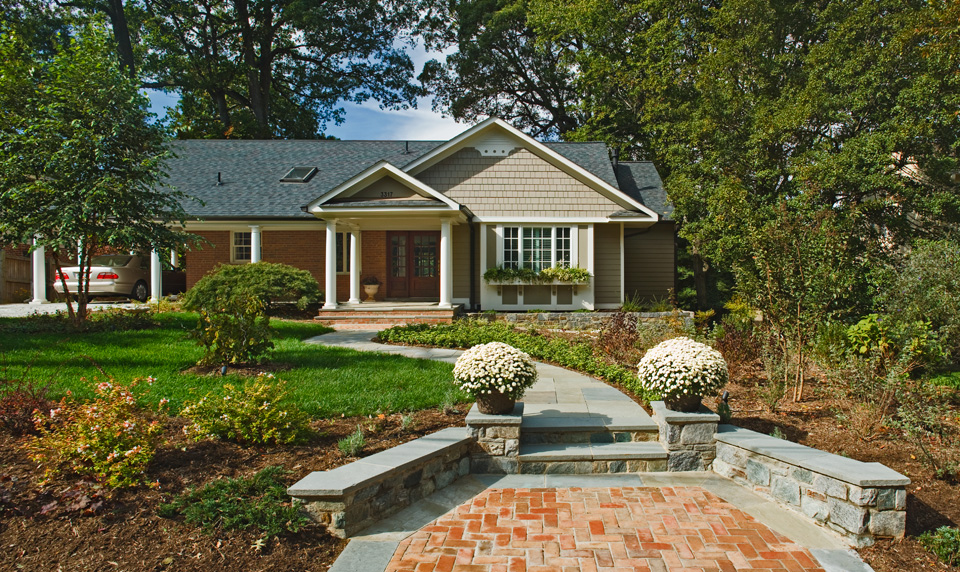
3 Ranch Home Addition Ideas | Home Remodeling Experts

Sustainable Building: Eco-Friendly Choices

More homeowners are embracing sustainable building practices. Consider:

  • Energy-efficient windows and doors
  • Insulation upgrades
  • Low-VOC paints and finishes
  • Solar panels or energy-efficient HVAC systems
  • Recycled or sustainable materials

These choices not only reduce your environmental impact but can lower long-term operating costs and improve indoor air quality.

Avoiding Common Pitfalls

Home additions are complex, and mistakes can be costly. Avoid common pitfalls:

  • Underestimating the budget
  • Ignoring the existing structure’s limitations
  • Choosing trends over timeless design
  • Failing to plan for storage and utility needs
  • Poor communication with contractors

Planning ahead, staying involved, and trusting your team helps ensure a successful project.

Final Thoughts: Make Space for What Matters

Planning a home addition is an exciting opportunity to create space that reflects your needs, style, and dreams. With thoughtful planning, a clear purpose, and the right team, your home addition can feel like it was always meant to be there.

In the end, it’s not just about adding square footage—it’s about creating room for what matters most to you. A home addition is a step toward a more comfortable, functional, and joyful living experience. The extra room, the enhanced design, the tailored functionality—all come together to create a home that truly supports the life you want to live.

So, whether you’re expanding for necessity or for luxury, take the time to dream, plan, and build wisely. The result will be a home that not only meets your needs but exceeds your expectations.


hq720 (1

From House to Dream Home: The Power of Whole Home Renovations

January 15, 2025/in Blogs/by Patrick Perkins
Read more
Page 2 of 212

Recent Blogs

  • kitchen-renovation-oxford-ma
    Kitchen Renovation – Oxford, MA
  • second-floor-kitchen-renovation-millbury-ma
    Second Floor & Kitchen Renovation – Millbury, MA
  • upton-gentili-after-03
    Best Clay Art Studio in Upton, MA | Pottery & Ceramics Upton

Contact Info

J.E.P. Contracting, Inc.
22 West Street, No. 23 Millbury, MA 01527

508-865-4063
info@jepcontracting.com

Quick Links

Kitchen Renovations
Major Insurance Renovations
Portfolio Of All Work

Get Social with JEP CONTRACTING, INC!

Copyright © 2026 - J.E.P. Contracting | Privacy Policy | Terms of Service | Website by Cold Spring
  • Link to Facebook
  • Link to Pinterest
  • Link to LinkedIn
  • Link to Icon_name
Scroll to top Scroll to top Scroll to top

This site uses cookies. By continuing to browse the site, you are agreeing to our use of cookies.

Accept

Cookie and Privacy Settings


How we use cookies

We may request cookies to be set on your device. We use cookies to let us know when you visit our websites, how you interact with us, to enrich your user experience, and to customize your relationship with our website.

Click on the different category headings to find out more. You can also change some of your preferences. Note that blocking some types of cookies may impact your experience on our websites and the services we are able to offer.

Essential Website Cookies

These cookies are strictly necessary to provide you with services available through our website and to use some of its features.

Because these cookies are strictly necessary to deliver the website, refusing them will have impact how our site functions. You always can block or delete cookies by changing your browser settings and force blocking all cookies on this website. But this will always prompt you to accept/refuse cookies when revisiting our site.

We fully respect if you want to refuse cookies but to avoid asking you again and again kindly allow us to store a cookie for that. You are free to opt out any time or opt in for other cookies to get a better experience. If you refuse cookies we will remove all set cookies in our domain.

We provide you with a list of stored cookies on your computer in our domain so you can check what we stored. Due to security reasons we are not able to show or modify cookies from other domains. You can check these in your browser security settings.

Google Analytics Cookies

These cookies collect information that is used either in aggregate form to help us understand how our website is being used or how effective our marketing campaigns are, or to help us customize our website and application for you in order to enhance your experience.

If you do not want that we track your visit to our site you can disable tracking in your browser here:

Other external services

We also use different external services like Google Webfonts, Google Maps, and external Video providers. Since these providers may collect personal data like your IP address we allow you to block them here. Please be aware that this might heavily reduce the functionality and appearance of our site. Changes will take effect once you reload the page.

Google Webfont Settings:

Google Map Settings:

Google reCaptcha Settings:

Vimeo and Youtube video embeds:

Other cookies

The following cookies are also needed - You can choose if you want to allow them:

Privacy Policy

You can read about our cookies and privacy settings in detail on our Privacy Policy Page.

Accept settingsHide notification only