
Lead-Safe Renovations: Protecting Your Family in Older Massachusetts Homes
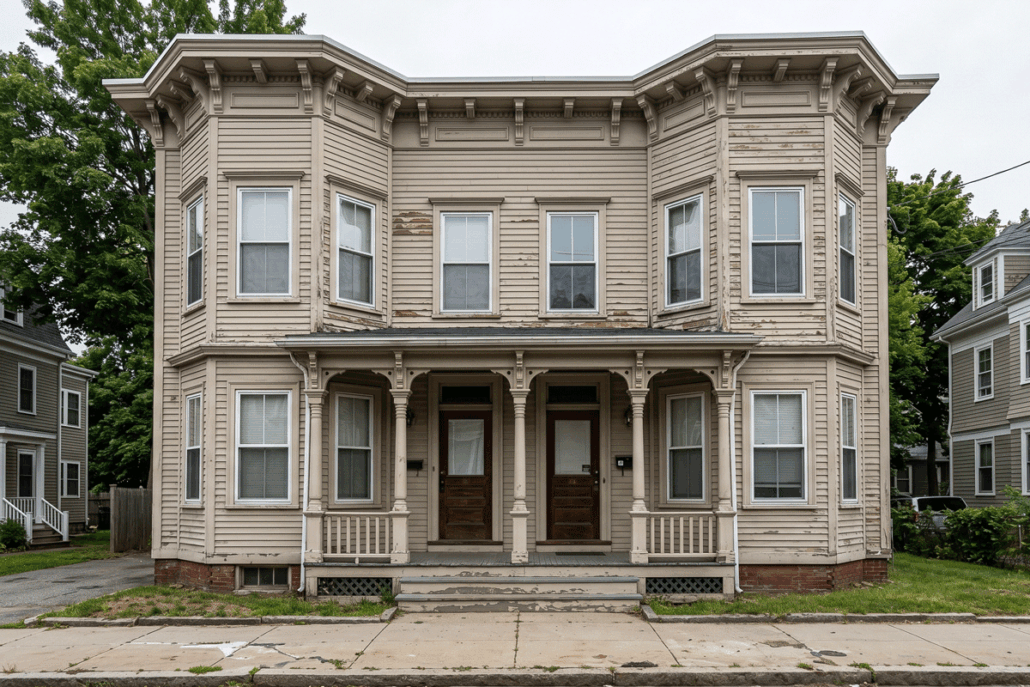
If your Worcester home was built before 1978, there’s something important you should know before your next renovation project begins: lead paint may be present, and disturbing it without the right precautions can pose a serious health risk to your family.
This isn’t a reason to avoid renovation, far from it. But it is a reason to work with a contractor who takes lead safety seriously and has the certification, training, and processes to handle it correctly. At J.E.P. Contracting, lead-safe renovation is a standard part of how we work in older Massachusetts homes, not an afterthought.
Here’s what every homeowner in an older Worcester home needs to understand.
Understanding the Lead Risk in Pre-1978 Homes
Lead-based paint was a common building material in the United States until it was banned for residential use in 1978. Nationally, an estimated 40 million homes still contain lead paint. In a city like Worcester, where a significant portion of the housing stock was built in the early to mid-20th century, the likelihood that your home contains lead is high.
Lead paint that is intact and undisturbed typically poses limited risk. The danger arises from sanding, scraping, cutting, or demolition activities that are common in renovation projects. These actions release lead dust and particles into the air and onto surfaces, where they can be inhaled or ingested, particularly by young children.
Who Is Most at Risk?
Children under six are the most vulnerable population. Their developing nervous systems are especially sensitive to lead exposure, and even low levels can cause irreversible harm, including developmental delays, learning difficulties, and behavioral problems. Pregnant women are also at elevated risk; lead can cross the placental barrier and affect fetal development.
Adults are not immune either. Lead exposure in adults is associated with elevated blood pressure, kidney problems, and other serious health effects. This is a risk that affects the entire household, not just the youngest members.
What the EPA’s RRP Rule Requires
The Environmental Protection Agency’s Renovation, Repair, and Painting (RRP) Rule was established specifically to address the risks created when contractors disturb lead-based paint during renovation work. It applies to all renovation projects in homes, childcare facilities, and schools built before 1978 that involve disturbing painted surfaces.
Under the RRP Rule, contractors working in these environments must:
- Be certified by the EPA or an EPA-authorized state program
- Use lead-safe work practices on every qualifying job
- Follow specific containment, cleanup, and waste disposal procedures
- Provide homeowners with the EPA’s “Renovate Right” pamphlet before work begins
In Massachusetts, the state’s Department of Labor Standards also maintains its own lead-safe certification and training requirements, adding another layer of oversight for contractors working in older homes.
What Are Lead-Safe Work Practices?
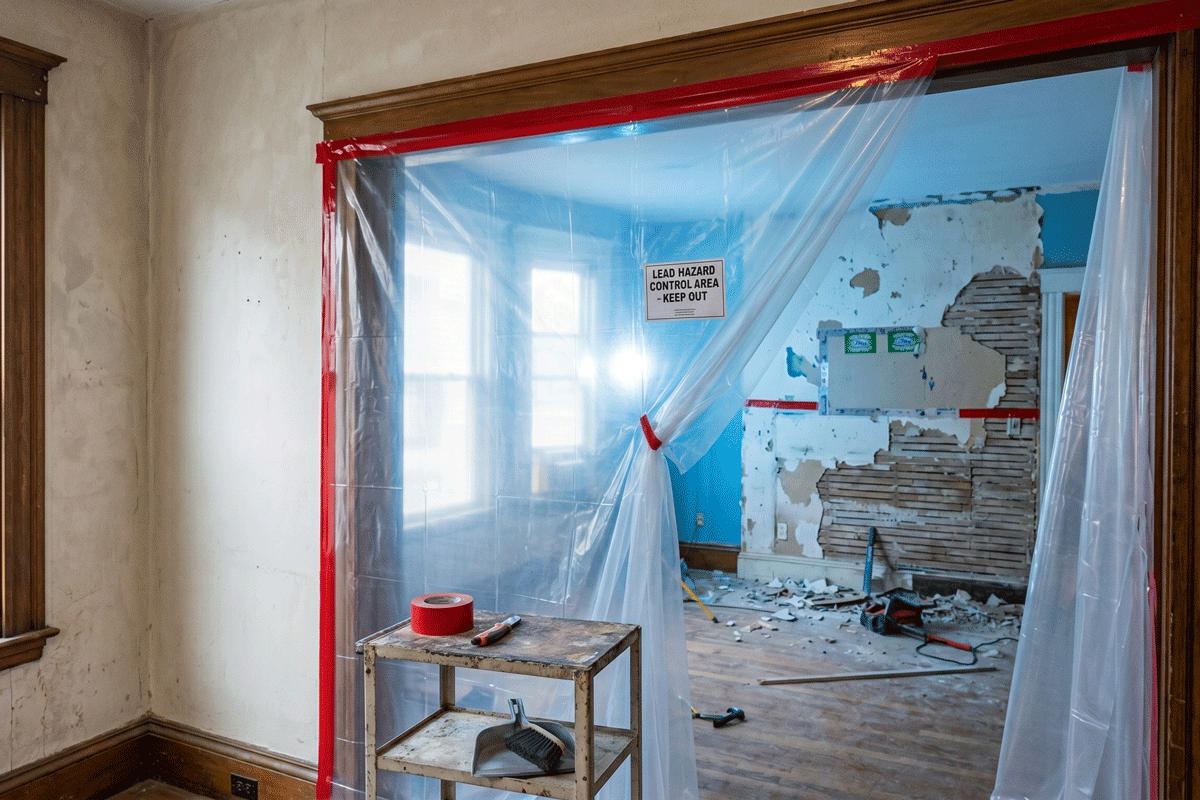
Lead-safe work practices are a specific set of procedures designed to minimize the creation and spread of lead dust during renovation. They include:
- Isolating the work area with plastic sheeting and barriers
- Closing HVAC systems to prevent dust circulation
- Using wet methods and HEPA-equipped tools during sanding and cutting
- Thorough, systematic cleanup during and after the work
- Post-work testing to confirm lead dust levels are within safe limits
These practices add time and care to the job, but they are non-negotiable when working in a pre-1978 home where children or pregnant women live.
How J.E.P. Contracting Handles Lead Safety
At J.E.P. Contracting, lead-safe practices aren’t something we add on as an inconvenience; they’re built into our renovation process from the start. Our team is EPA RRP certified and trained to work in the older Worcester homes that make up a significant portion of our project portfolio.
Pre-Renovation Assessment
Before renovation begins in any pre-1978 home, we discuss lead risk with our clients, identify potential lead paint disturbance areas, and plan our work accordingly. Where appropriate, we recommend lead paint testing to establish a clear picture of what’s present before work begins.
Integrated Lead-Safe Execution
Our crews apply lead-safe containment and cleanup protocols throughout the renovation, not just in certain areas or phases. This means your family is protected throughout the entire project, not just during specific high-risk activities.
The Design-Build Advantage
Because the same team at J.E.P. Contracting manages design and construction, we can design renovation scopes that are mindful of lead risk from the outset, sometimes identifying opportunities to minimize disturbance of lead-painted surfaces while still achieving your renovation goals. This integrated approach reduces both risk and cost.
The Benefits of Lead-Safe Renovation During a Remodel
Many homeowners worry that lead-safe requirements will significantly inflate the cost or timeline of their renovation. In practice, working with a certified contractor who integrates these practices efficiently minimizes the impact. And the benefits far outweigh any incremental cost:
- Peace of mind: Knowing your family is protected throughout the renovation is priceless, especially if you have young children or are expecting.
- Compliance: Hiring a certified contractor ensures your project meets all state and federal requirements, protecting you from potential liability.
- Property value: A properly documented, lead-safe renovation is an asset if you ever sell your home.
- Long-term health: Preventing lead exposure now avoids the health consequences and associated costs of exposure later.
Conclusion
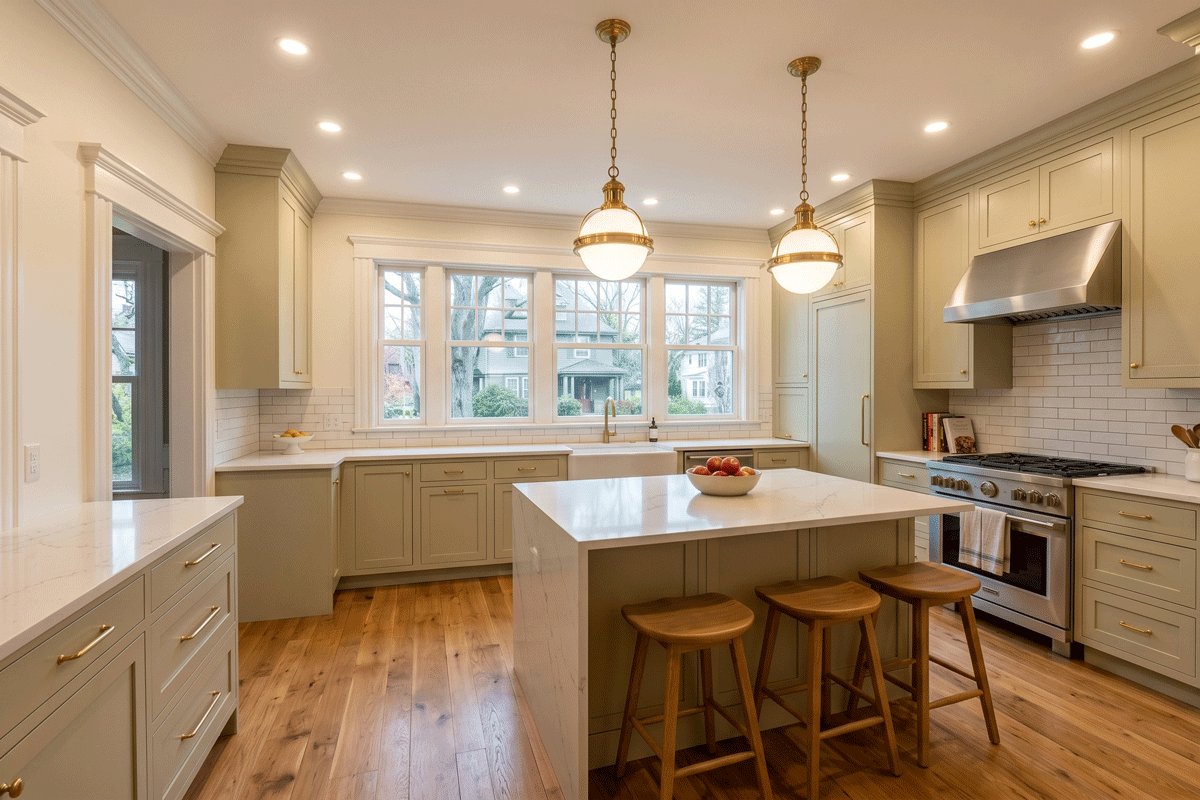
Renovating an older Worcester home is an investment in your family’s future. Done right with qualified professionals who treat lead safety as a core commitment, it’s also safe.
J.E.P. Contracting has the certification, experience, and care to handle renovation in pre-1978 Massachusetts homes with the seriousness those projects deserve. We protect your family as if it were our own.
Planning a renovation in an older Worcester home? Contact J.E.P. Contracting today to discuss your project and learn how we keep your family safe throughout the process.
Frequently Asked Questions
Q: How do I know if my home has lead paint?
Any home built before 1978 may contain lead paint. A certified lead inspector or risk assessor can test your home’s painted surfaces to determine if lead is present and in what condition.
Q: Do all renovations in a pre-1978 home require lead-safe practices?
The EPA’s RRP Rule applies when painted surfaces are disturbed in pre-1978 homes. If no paint disturbance is involved, the rule may not apply, but our team assesses each project individually.
Q: Can my family stay in the home during a lead-safe renovation?
It depends on the scope of work. For significant disturbance of lead-painted surfaces, we typically recommend that young children and pregnant women stay elsewhere during active work phases. We’ll advise you based on your specific project.
Q: Is J.E.P. Contracting EPA RRP certified?
Yes. Our team is EPA RRP certified and trained to perform lead-safe renovation work in accordance with all applicable state and federal requirements.


