• Link to Facebook
  • Link to Pinterest
  • Link to LinkedIn
  • Link to Houzz
Put Your Home In Our Hands
J.E.P. Contracting
  • Home
  • About
    • Happy Clients
  • Process
  • Services
  • Gallery
  • Resources
    • Ebooks
    • Blogs
    • FAQs
    • Recommended Vendors
  • Careers
  • Contact
  • Book an appointment
  • Menu Menu
Two-story beige wooden house with peeling siding and a centered front porch supported by decorative columns, two front doors side by side.

Lead-Safe Renovations: Protecting Your Family in Older Massachusetts Homes

May 15, 2026/in Blogs, Recent, Renovations/by Patrick Perkins

If your Worcester home was built before 1978, there’s something important you should know before your next renovation project begins: lead paint may be present, and disturbing it without the right precautions can pose a serious health risk to your family.

This isn’t a reason to avoid renovation, far from it. But it is a reason to work with a contractor who takes lead safety seriously and has the certification, training, and processes to handle it correctly. At J.E.P. Contracting, lead-safe renovation is a standard part of how we work in older Massachusetts homes, not an afterthought.

Here’s what every homeowner in an older Worcester home needs to understand.

Understanding the Lead Risk in Pre-1978 Homes

Lead-based paint was a common building material in the United States until it was banned for residential use in 1978. Nationally, an estimated 40 million homes still contain lead paint. In a city like Worcester, where a significant portion of the housing stock was built in the early to mid-20th century, the likelihood that your home contains lead is high.

Lead paint that is intact and undisturbed typically poses limited risk. The danger arises from sanding, scraping, cutting, or demolition activities that are common in renovation projects. These actions release lead dust and particles into the air and onto surfaces, where they can be inhaled or ingested, particularly by young children.

Who Is Most at Risk?

Children under six are the most vulnerable population. Their developing nervous systems are especially sensitive to lead exposure, and even low levels can cause irreversible harm, including developmental delays, learning difficulties, and behavioral problems. Pregnant women are also at elevated risk; lead can cross the placental barrier and affect fetal development.

Adults are not immune either. Lead exposure in adults is associated with elevated blood pressure, kidney problems, and other serious health effects. This is a risk that affects the entire household, not just the youngest members.

What the EPA’s RRP Rule Requires

The Environmental Protection Agency’s Renovation, Repair, and Painting (RRP) Rule was established specifically to address the risks created when contractors disturb lead-based paint during renovation work. It applies to all renovation projects in homes, childcare facilities, and schools built before 1978 that involve disturbing painted surfaces.

Under the RRP Rule, contractors working in these environments must:

  • Be certified by the EPA or an EPA-authorized state program
  • Use lead-safe work practices on every qualifying job
  • Follow specific containment, cleanup, and waste disposal procedures
  • Provide homeowners with the EPA’s “Renovate Right” pamphlet before work begins

In Massachusetts, the state’s Department of Labor Standards also maintains its own lead-safe certification and training requirements, adding another layer of oversight for contractors working in older homes.

What Are Lead-Safe Work Practices?

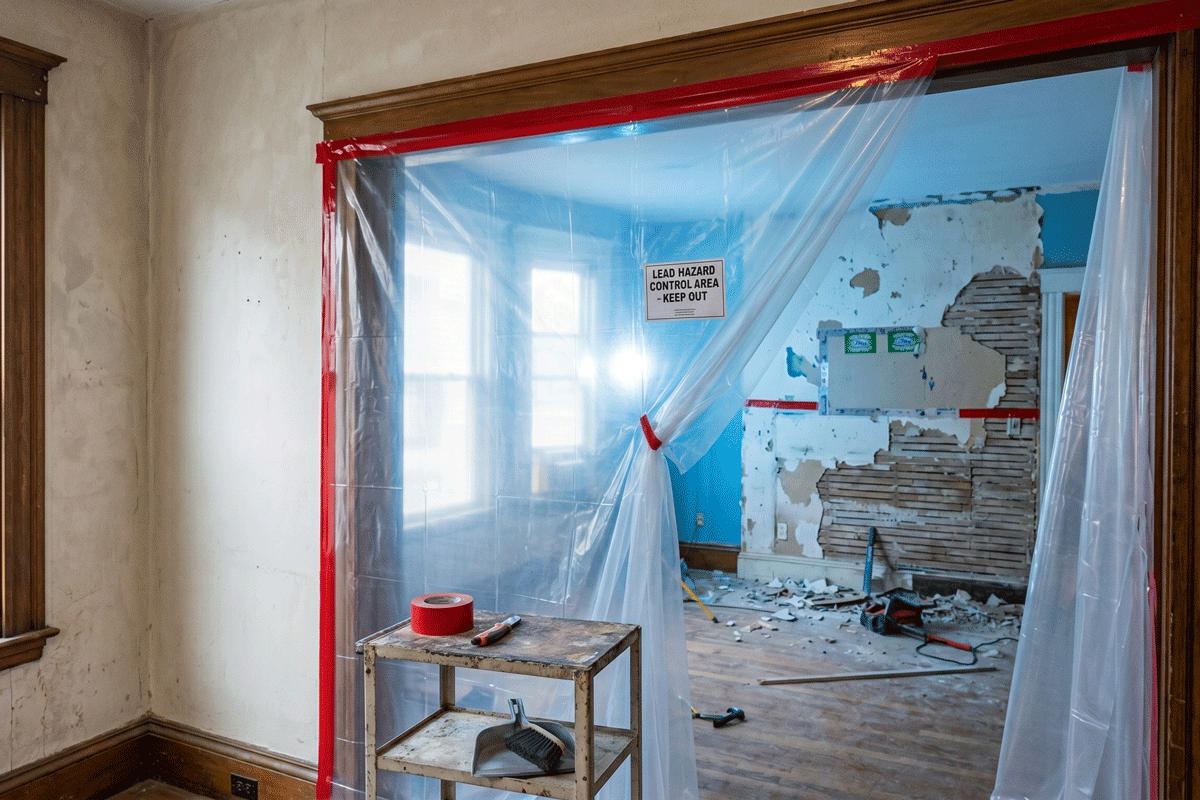
Lead-safe work practices are a specific set of procedures designed to minimize the creation and spread of lead dust during renovation. They include:

  • Isolating the work area with plastic sheeting and barriers
  • Closing HVAC systems to prevent dust circulation
  • Using wet methods and HEPA-equipped tools during sanding and cutting
  • Thorough, systematic cleanup during and after the work
  • Post-work testing to confirm lead dust levels are within safe limits

These practices add time and care to the job, but they are non-negotiable when working in a pre-1978 home where children or pregnant women live.
How J.E.P. Contracting Handles Lead Safety

At J.E.P. Contracting, lead-safe practices aren’t something we add on as an inconvenience; they’re built into our renovation process from the start. Our team is EPA RRP certified and trained to work in the older Worcester homes that make up a significant portion of our project portfolio.

Pre-Renovation Assessment

Before renovation begins in any pre-1978 home, we discuss lead risk with our clients, identify potential lead paint disturbance areas, and plan our work accordingly. Where appropriate, we recommend lead paint testing to establish a clear picture of what’s present before work begins.

Integrated Lead-Safe Execution

Our crews apply lead-safe containment and cleanup protocols throughout the renovation, not just in certain areas or phases. This means your family is protected throughout the entire project, not just during specific high-risk activities.

The Design-Build Advantage

Because the same team at J.E.P. Contracting manages design and construction, we can design renovation scopes that are mindful of lead risk from the outset, sometimes identifying opportunities to minimize disturbance of lead-painted surfaces while still achieving your renovation goals. This integrated approach reduces both risk and cost.
The Benefits of Lead-Safe Renovation During a Remodel

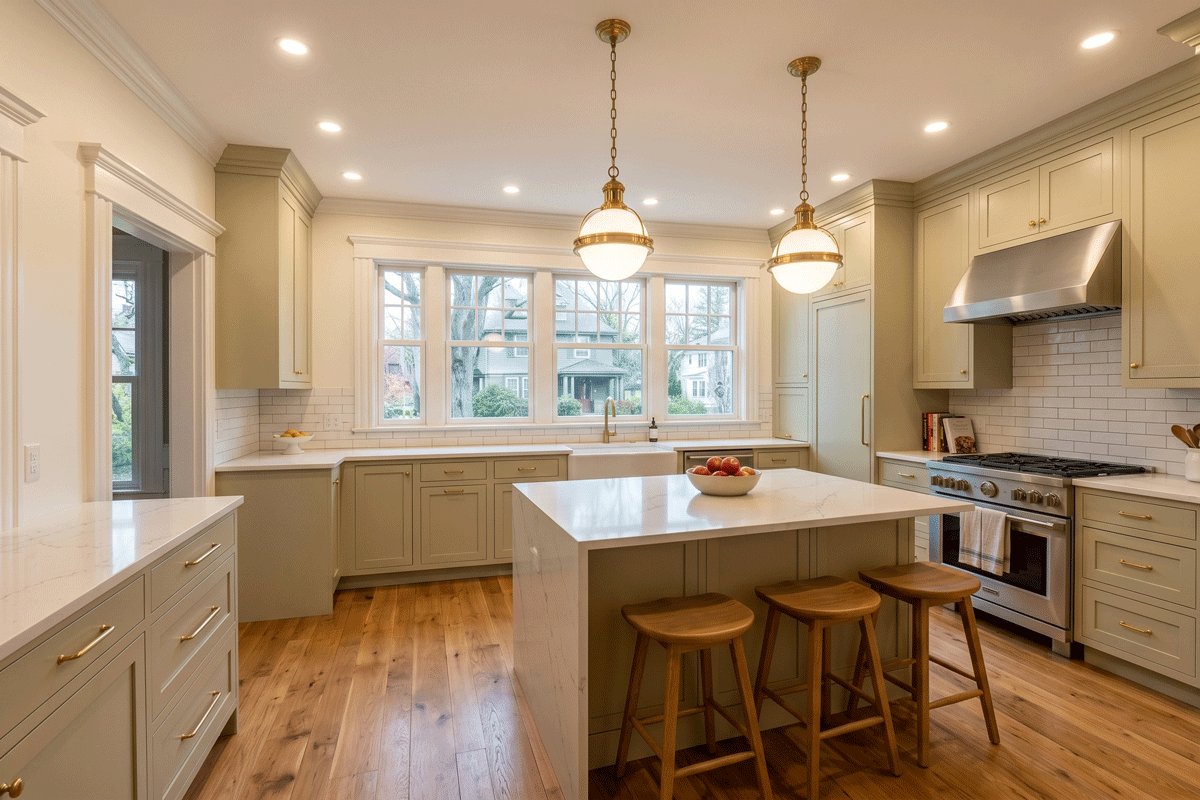
Many homeowners worry that lead-safe requirements will significantly inflate the cost or timeline of their renovation. In practice, working with a certified contractor who integrates these practices efficiently minimizes the impact. And the benefits far outweigh any incremental cost:


  • Peace of mind: Knowing your family is protected throughout the renovation is priceless, especially if you have young children or are expecting.
  • Compliance: Hiring a certified contractor ensures your project meets all state and federal requirements, protecting you from potential liability.
  • Property value: A properly documented, lead-safe renovation is an asset if you ever sell your home.
  • Long-term health: Preventing lead exposure now avoids the health consequences and associated costs of exposure later.

Conclusion

Renovating an older Worcester home is an investment in your family’s future. Done right with qualified professionals who treat lead safety as a core commitment, it’s also safe.

J.E.P. Contracting has the certification, experience, and care to handle renovation in pre-1978 Massachusetts homes with the seriousness those projects deserve. We protect your family as if it were our own.

Planning a renovation in an older Worcester home? Contact J.E.P. Contracting today to discuss your project and learn how we keep your family safe throughout the process.

Frequently Asked Questions

Q: How do I know if my home has lead paint?

Any home built before 1978 may contain lead paint. A certified lead inspector or risk assessor can test your home’s painted surfaces to determine if lead is present and in what condition.

Q: Do all renovations in a pre-1978 home require lead-safe practices?

The EPA’s RRP Rule applies when painted surfaces are disturbed in pre-1978 homes. If no paint disturbance is involved, the rule may not apply, but our team assesses each project individually.

Q: Can my family stay in the home during a lead-safe renovation?

It depends on the scope of work. For significant disturbance of lead-painted surfaces, we typically recommend that young children and pregnant women stay elsewhere during active work phases. We’ll advise you based on your specific project.

Q: Is J.E.P. Contracting EPA RRP certified?

Yes. Our team is EPA RRP certified and trained to perform lead-safe renovation work in accordance with all applicable state and federal requirements.

Two-story beige house with a torn roof covered by a blue tarp, a worker on a ladder, and debris scattered across the yard after a storm fall.

Insurance Restoration Done Right: Navigating Claims and Recovery in Massachusetts

April 15, 2026/in Blogs, Recent/by Patrick Perkins

Dealing with damage to your home is stressful enough. Navigating the insurance claim process on top of finding a qualified contractor and getting your family’s life back to normal can feel completely overwhelming. For many Worcester homeowners, the insurance restoration process is unfamiliar territory at the worst possible time.

At J.E.P. Contracting, insurance restoration is a specialized area of our practice. We’ve guided Worcester families through storm, fire, and water damage recovery, and we know how to move the process forward efficiently, professionally, and with your best interests in mind.

Here’s what you need to know when disaster strikes your Massachusetts home.

Understanding Insurance Restoration: What It Is and When It Applies

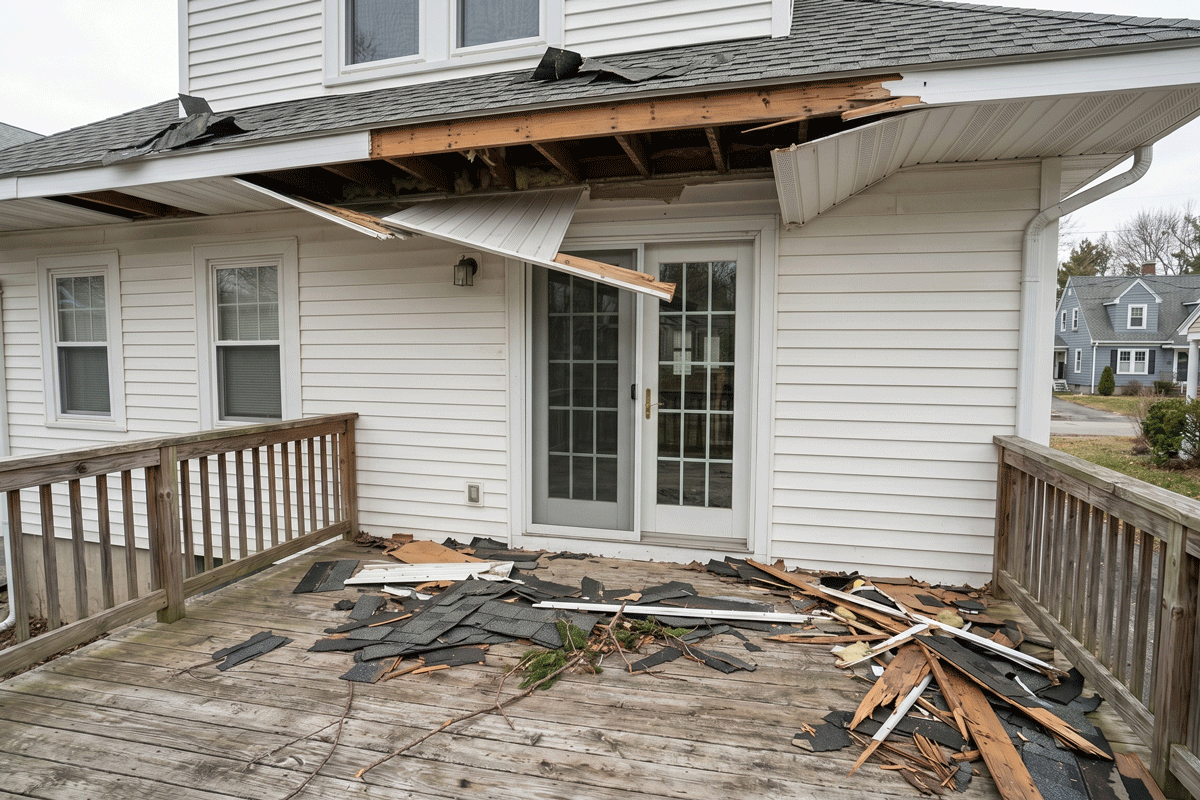
Insurance restoration refers to the repair or reconstruction of a home following damage covered by your homeowner’s insurance policy. Common triggering events include:

  • Storm damage: Wind, hail, fallen trees, and ice damage from nor’easters and severe weather events
  • Fire and smoke damage: From house fires, kitchen fires, and neighboring structure fires
  • Water damage: From burst pipes, appliance failures, roof leaks, or flooding events
  • Structural damage: From vehicle impact or other sudden events

When these events occur, your homeowner’s policy, assuming your coverage is in good standing, is designed to cover the cost of restoring your home to its pre-damage condition. The claim process, however, is rarely as simple as it sounds.

The Step-by-Step Insurance Restoration Process

Step 1: Document Everything Immediately

Before any cleanup or temporary repairs begin, document the damage thoroughly. Photograph and video every affected area: walls, ceilings, floors, personal property, and exterior damage. This documentation is the foundation of your claim and can significantly impact the settlement you receive.

If emergency stabilization is needed (tarping a damaged roof, boarding broken windows), take these temporary measures to protect your home from further damage; they are typically covered. But document before and after.

Step 2: Report Your Claim Promptly

Notify your insurance company as soon as possible. Most policies require prompt reporting, and delays can complicate your claim. Have your policy number, documentation of damage, and a general description of the event ready when you call.

Step 3: Meet with the Insurance Adjuster

Your insurance company will assign an adjuster to assess the damage and determine the scope and value of your claim. This is one of the most critical steps in the process; the adjuster’s assessment directly determines your initial settlement offer.

You are not required to accept the adjuster’s assessment as final. If you believe the assessment undervalues the damage or misses affected areas, you have the right to dispute it, request a reinspection, or engage a public adjuster on your behalf.

Step 4: Get a Professional Contractor Assessment

Before agreeing to a settlement figure, have a qualified restoration contractor assess the damage independently. A contractor who specializes in insurance restoration knows how to identify the full scope of damage, including hidden moisture, structural issues, and code-compliance upgrades that adjusters sometimes miss.

At J.E.P. Contracting, our insurance restoration assessments are thorough and honest. We document what we find, communicate clearly with adjusters, and advocate for the proper scope of work to fully restore your home.

Step 5: Scope Agreement and Contracts

Once the claim scope is agreed upon, the restoration contractor prepares a detailed scope of work. This document serves as the basis for the restoration contract and ensures that all homeowners, insurers, and contractors are aligned on what will be done.

Step 6: Restoration Work Begins

With scope and funding confirmed, restoration work begins. A well-managed insurance restoration project maintains regular communication with the homeowner, addresses any supplemental damage discovered during work, and keeps the project moving toward completion efficiently.

Common Delays and How to Avoid Them

Insurance restoration projects are vulnerable to delays at multiple points in the process. The most common include:

Incomplete initial documentation: Damage not documented during the initial documentation phase can require reinspection and renegotiation, adding weeks to the timeline. Document everything before anything is touched.

Scope disputes: When the contractor’s assessment of damage significantly exceeds the adjuster’s, negotiations take time. Working with a contractor who communicates professionally with adjusters and documents findings thoroughly minimizes these disputes.

Supplemental claims: Damage discovered during restoration that wasn’t included in the original claim requires a supplement and additional claim for the newly identified work. Experienced restoration contractors anticipate this and navigate it efficiently.

Contractor selection: Choosing the wrong contractor, one unfamiliar with the insurance restoration process, creates friction at every step. The contractor’s ability to communicate with your insurer in the right language matters as much as their construction skills.

Why Specialized Insurance Restoration Expertise Matters

Not every renovation contractor is equipped to handle insurance restoration effectively. The process requires:

  • Understanding of insurance claim processes and the ability to communicate with adjusters in a language they understand
  • Thorough damage assessment capabilities that capture the full scope of loss, including hidden and consequential damage
  • Code compliance knowledge: Many restoration projects trigger required code upgrades that need to be properly documented for inclusion in the claim
  • Project management experience, keeping a complex restoration project on schedule while navigating ongoing insurance communication, is a specialized skill.

At J.E.P. Contracting, our insurance restoration clients benefit from a single point of contact who manages both the construction and insurance communication processes. That coordination is what keeps projects moving and homeowners informed throughout recovery.

Conclusion

A damage event is never welcome, but with the right contractor guiding the process, insurance restoration can be managed efficiently and result in a home that’s fully restored, properly rebuilt, and genuinely better for the experience.

J.E.P. Contracting has the expertise, processes, and commitment to guide Worcester families through insurance restoration from the first call to the final walkthrough. We don’t just rebuild homes, we restore peace of mind.

Dealing with damage to your Worcester home? Contact J.E.P. Contracting today and let our insurance restoration team guide you through every step of the process.

Frequently Asked Questions

Q: Do I need a contractor before filing my insurance claim?

No, file your claim promptly with your insurer. However, getting a qualified contractor to assess the damage before accepting a settlement ensures the full scope of damage is accounted for in your claim.

Q: Can my insurance company require me to use a specific contractor?

No. In Massachusetts, you have the right to choose your own contractor for restoration work. Your insurer can recommend contractors, but the choice is yours.

Q: What if additional damage is found once restoration begins?

Additional damage discovered during work is handled through a supplemental claim. Your contractor documents and submits the supplement to your insurer. This is common in restoration projects, and experienced contractors navigate it as part of the process.

Q: How long does a typical insurance restoration project take?

It varies significantly based on the type and extent of damage. Fire and water damage projects can range from a few weeks to several months. Your J.E.P. Contracting project managers will give you a realistic timeline specific to your project once the scope is established.

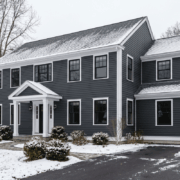
Snowy two-story blue house with white trim and a front porch.

Exterior Upgrades Built for New England Weather: Siding, Roofing, and Beyond

March 15, 2026/in Blogs, Exteriors, Recent/by Patrick Perkins

Your home’s exterior takes a beating in Worcester. Between nor’easters, freeze-thaw cycles, summer humidity, and the occasional ice storm, central Massachusetts weather tests every material on your home’s façade. Exterior upgrades that look great on day one but fail within a decade aren’t an investment; they’re an expensive mistake.

At J.E.P. Contracting, we’ve spent over two decades helping Worcester homeowners choose and install exterior materials that perform beautifully year after year in New England conditions. Here’s what you need to know before planning your next exterior project.

Why New England Weather Demands a Different Standard

Not all climates ask the same things of exterior materials. In Worcester, your siding, roofing, trim, and windows face:

  • Freeze-thaw cycles that cause expansion and contraction in any material that holds moisture
  • Heavy snow and ice loads that test roofing systems and gutters
  • High humidity and summer heat accelerate paint failure and wood rot
  • Wind-driven rain that finds every gap in an improperly installed system

A material that performs adequately in a moderate climate may fail prematurely in ours. The combination of material selection and installation quality is what determines whether your exterior upgrade lasts 10 years or 40.

Siding: Choosing the Right Material for Worcester Homes

Siding is your home’s first line of defense against the elements and your most visible exterior investment. Each major siding category has real advantages and trade-offs worth understanding before you commit.

Vinyl Siding

Vinyl is the most widely used siding material in the country for good reason. It’s affordable, requires virtually no maintenance, and holds its color well. Modern vinyl siding has improved significantly; insulated vinyl products add thermal performance, and better formulations resist impact and UV fading better than previous generations.

The trade-off is that standard vinyl can become brittle in extreme cold, making it more susceptible to cracking from impact in the winter months. High-quality vinyl products mitigate this, but material grade matters enormously.

Fiber Cement Siding

Fiber cement siding like James Hardie has become a favorite for New England homes, and for good reason. It’s dimensionally stable through temperature swings, moisture-resistant, impervious to rot and insects, and holds paint exceptionally well. It also convincingly mimics the look of wood clapboard.

The investment is higher than vinyl, but the longevity and performance in New England conditions make fiber cement one of the best long-term values available. We specify it frequently for Worcester homes and have seen it hold up beautifully over many years.

Wood and Cedar Siding

Wood siding, particularly cedar, has a timeless appeal that synthetic materials struggle to replicate. Cedar is naturally resistant to rot and insects, and when properly installed, finished, and maintained, it performs admirably in New England weather.

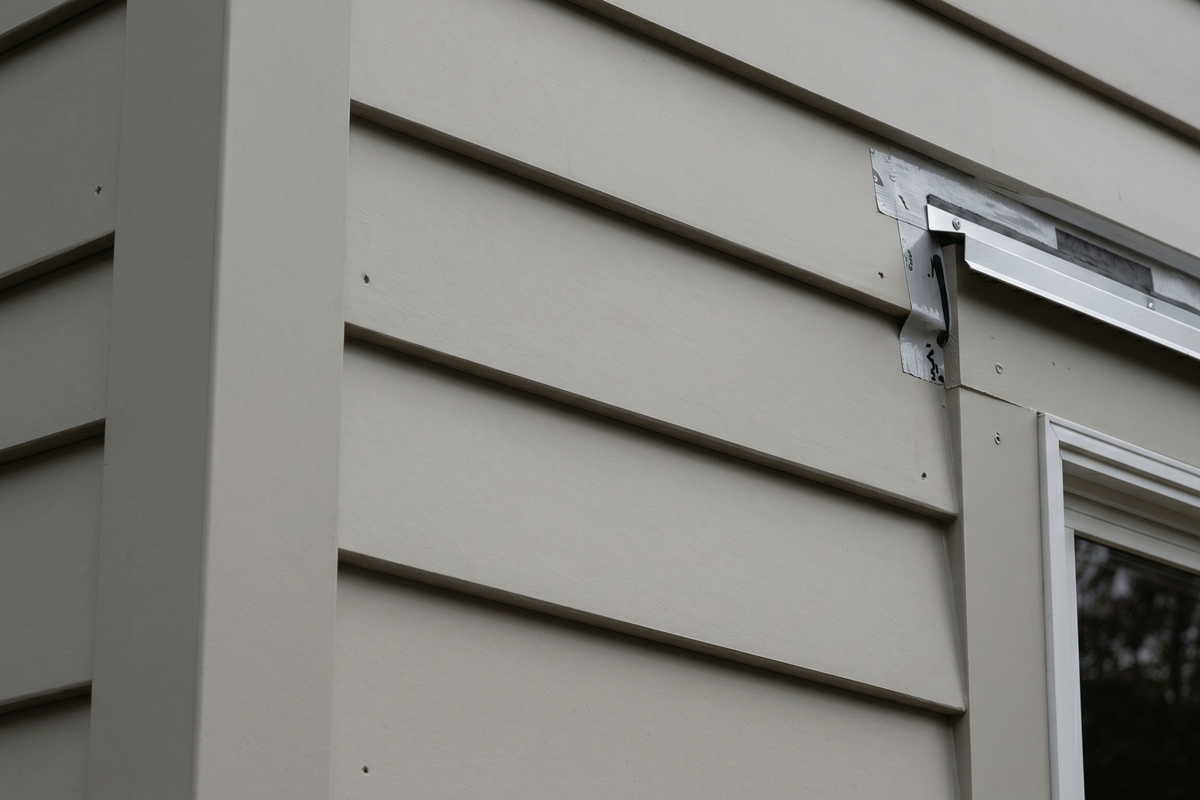
At J.E.P. Contracting, we have extensive experience with cedar siding and understand the specific installation and finishing details that determine its longevity. Proper back-priming, appropriate flashing at all penetrations, and a quality finish coat are non-negotiable. When these steps are followed, cedar siding is a premium, lasting choice and one that connects Worcester homes to their architectural heritage.

Maintenance is more demanding than fiber cement or vinyl, but for homeowners who value the authentic character of natural wood, it’s a worthwhile commitment.

Roofing: Performance Under Pressure

Your roof is arguably your home’s most critical exterior system. In Worcester, a roofing failure can lead to ice dams, water infiltration, and extensive, costly interior damage.

Architectural Asphalt Shingles

The most common residential roofing material, architectural (dimensional) asphalt shingles, has improved substantially in quality and longevity. High-quality products carry 30- to 50-year warranties and, when properly installed with adequate ventilation and ice-and-water shields at eaves and valleys, perform well in New England conditions.

Ice-and-water shield installation is particularly important in Worcester, extending this membrane well up the roof slope (typically a minimum of 6 feet from the eave) to protect against ice-dam water infiltration that Worcester winters can produce.

Metal Roofing

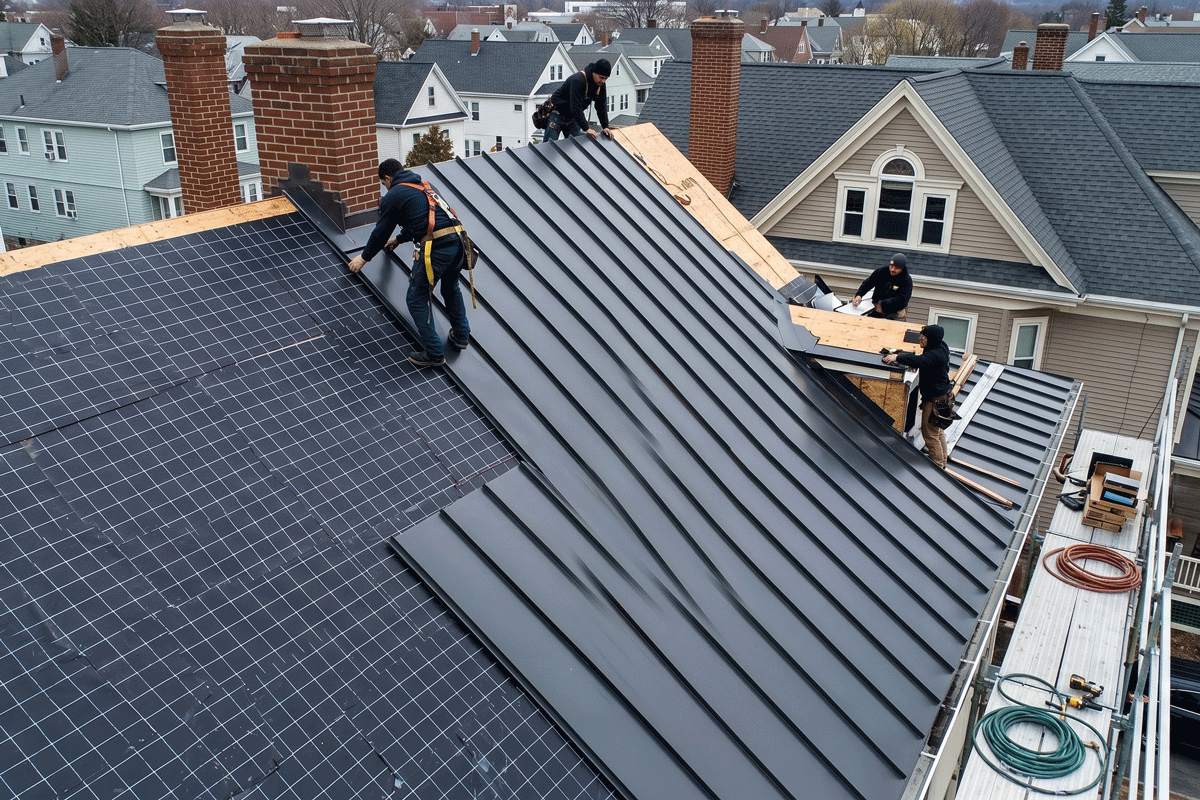
Standing seam metal roofing is growing in popularity in the Worcester area, and its New England performance credentials are strong. Snow sheds cleanly from a metal roof, ice damming is far less problematic than with shingles, and a quality metal roof can last 50 years or more with minimal maintenance. The upfront cost is higher, but the lifecycle economics are compelling for homeowners planning to stay in their home long-term.

Energy Efficiency: The Hidden Value of Exterior Upgrades

Exterior upgrades aren’t just about appearance and weather protection; they’re also a significant opportunity to improve your home’s energy performance.

Insulated siding adds continuous insulation around your home’s envelope, reducing thermal bridging through wall framing. The impact on heating bills in a Worcester winter is real and measurable.

Window replacement combined with siding projects is a natural pairing. New windows eliminate air infiltration at one of the biggest points of energy loss in older homes.

Roof insulation and ventilation improvements can simultaneously dramatically reduce ice dam formation and improve attic thermal performance.

Maintenance Tips for New England Exteriors

Even the best exterior materials require periodic attention to perform at their best.

  • Annual inspection of caulking at windows, doors, and penetrations. These are the first places moisture enters
  • Gutter cleaning in fall and spring to prevent water backup that contributes to ice dams and fascia rot
  • Wood siding repainting on the appropriate cycle, typically every 8–12 years for cedar, depending on exposure
  • Roof inspection after significant weather events, particularly for missing or damaged shingles

Conclusion

Exterior upgrades in Worcester aren’t just aesthetic choices; they’re performance decisions. The right materials, installed with the care and expertise New England conditions demand, protect your home and your investment for decades.

J.E.P. Contracting brings over 20 years of exterior work on Worcester homes to every project. We know which materials perform in our climate, how to install them correctly, and how to design exterior improvements that look exceptional and last.

Ready to upgrade your home’s exterior? Contact J.E.P. Contracting today for a free consultation, and let’s build an exterior that stands up to whatever New England throws at it.

Frequently Asked Questions

Q: What is the best siding material for a Worcester home?

Fiber cement siding offers the best balance of durability, low maintenance, and performance in New England conditions. Cedar is the premium choice for homeowners who prefer natural wood and are willing to maintain it. Vinyl is the most budget-friendly option when quality products are specified.

Q: How do I prevent ice dams on my roof?

Proper attic insulation and ventilation are the primary defenses against ice dams. During reroofing, extending the ice-and-water shield well up from the eaves provides critical backup protection. Keeping gutters clear is also essential.

Q: How long should quality siding last in Massachusetts?

Fiber cement siding typically lasts 30–50 years with minimal maintenance. Quality cedar siding can last 20–40 years with proper maintenance and repainting. High-quality vinyl siding typically carries a 20–40 year warranty.

Q: Is it worth replacing windows at the same time as siding?

In most cases, yes. Combining window replacement with a siding project reduces labor costs, eliminates the disruption of a second project, and ensures that flashing and trim work around windows is done correctly once rather than twice.

Recent Blogs

  • Two-story beige wooden house with peeling siding and a centered front porch supported by decorative columns, two front doors side by side.
    Lead-Safe Renovations: Protecting Your Family in Older Massachusetts Homes

    If your Worcester home was built before 1978, there’s something important you should know before your next renovation project begins: lead paint may be present, and disturbing it without the right precautions can pose a serious health risk to your family. This isn’t a reason to avoid renovation, far from it. But it is a […]

  • Two-story beige house with a torn roof covered by a blue tarp, a worker on a ladder, and debris scattered across the yard after a storm fall.
    Insurance Restoration Done Right: Navigating Claims and Recovery in Massachusetts

    Dealing with damage to your home is stressful enough. Navigating the insurance claim process on top of finding a qualified contractor and getting your family’s life back to normal can feel completely overwhelming. For many Worcester homeowners, the insurance restoration process is unfamiliar territory at the worst possible time. At J.E.P. Contracting, insurance restoration is […]

  • Snowy two-story blue house with white trim and a front porch.
    Exterior Upgrades Built for New England Weather: Siding, Roofing, and Beyond

    Your home’s exterior takes a beating in Worcester. Between nor’easters, freeze-thaw cycles, summer humidity, and the occasional ice storm, central Massachusetts weather tests every material on your home’s façade. Exterior upgrades that look great on day one but fail within a decade aren’t an investment; they’re an expensive mistake. At J.E.P. Contracting, we’ve spent over […]

Contact Info

J.E.P. Contracting, Inc.
22 West Street, No. 23 Millbury, MA 01527

508-865-4063
info@jepcontracting.com

Quick Links

Kitchen Renovations
Insurance Restoration
Portfolio Of All Work

Get Social with JEP CONTRACTING, INC!

Copyright © 2026 - J.E.P. Contracting | Privacy Policy | Terms of Service | Website by Cold Spring
  • Link to Facebook
  • Link to Pinterest
  • Link to LinkedIn
  • Link to Houzz
Scroll to top Scroll to top Scroll to top

This site uses cookies. By continuing to browse the site, you are agreeing to our use of cookies.

Accept

Cookie and Privacy Settings


How we use cookies

We may request cookies to be set on your device. We use cookies to let us know when you visit our websites, how you interact with us, to enrich your user experience, and to customize your relationship with our website.

Click on the different category headings to find out more. You can also change some of your preferences. Note that blocking some types of cookies may impact your experience on our websites and the services we are able to offer.

Essential Website Cookies

These cookies are strictly necessary to provide you with services available through our website and to use some of its features.

Because these cookies are strictly necessary to deliver the website, refusing them will have an impact on how our site functions. You always can block or delete cookies by changing your browser settings and force blocking all cookies on this website. But this will always prompt you to accept/refuse cookies when revisiting our site.

We fully respect if you want to refuse cookies but to avoid asking you again and again kindly allow us to store a cookie for that. You are free to opt out any time or opt in for other cookies to get a better experience. If you refuse cookies we will remove all set cookies in our domain.

We provide you with a list of stored cookies on your computer in our domain so you can check what we stored. Due to security reasons we are not able to show or modify cookies from other domains. You can check these in your browser security settings.

Google Analytics Cookies

These cookies collect information that is used either in aggregate form to help us understand how our website is being used or how effective our marketing campaigns are, or to help us customize our website and application for you in order to enhance your experience.

If you do not want that we track your visit to our site you can disable tracking in your browser here:

Other external services

We also use different external services like Google Webfonts, Google Maps, and external Video providers. Since these providers may collect personal data like your IP address we allow you to block them here. Please be aware that this might heavily reduce the functionality and appearance of our site. Changes will take effect once you reload the page.

Google Webfont Settings:

Google Map Settings:

Google reCaptcha Settings:

Vimeo and Youtube video embeds:

Other cookies

The following cookies are also needed - You can choose if you want to allow them:

Privacy Policy

You can read about our cookies and privacy settings in detail on our Privacy Policy Page.

Accept settingsHide notification only