
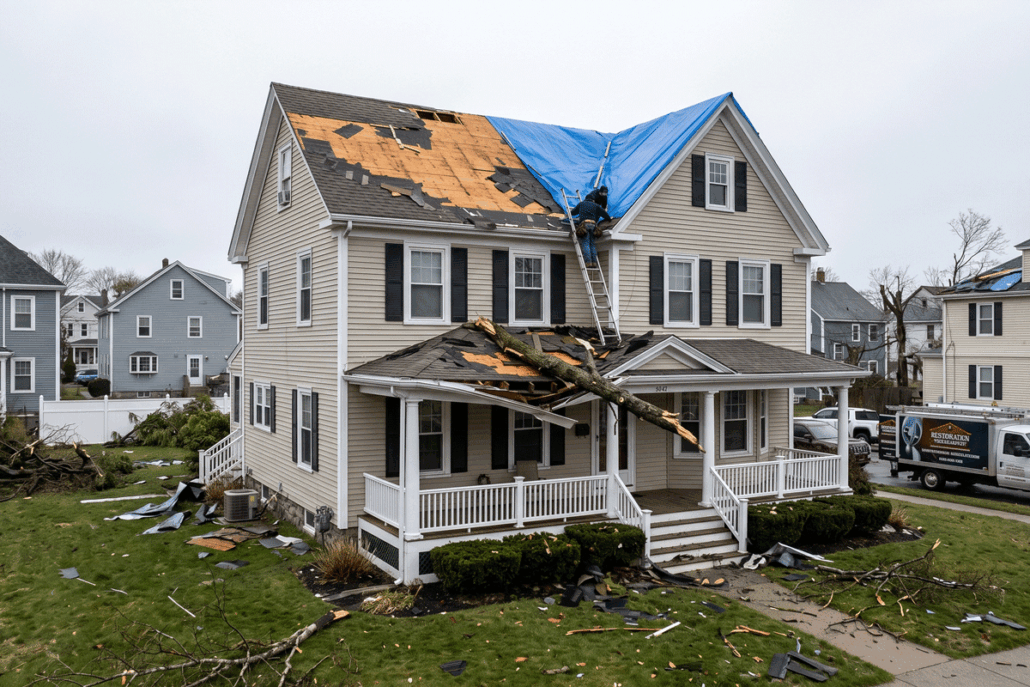
Insurance Restoration Done Right: Navigating Claims and Recovery in Massachusetts
Dealing with damage to your home is stressful enough. Navigating the insurance claim process on top of finding a qualified contractor and getting your family’s life back to normal can feel completely overwhelming. For many Worcester homeowners, the insurance restoration process is unfamiliar territory at the worst possible time.
At J.E.P. Contracting, insurance restoration is a specialized area of our practice. We’ve guided Worcester families through storm, fire, and water damage recovery, and we know how to move the process forward efficiently, professionally, and with your best interests in mind.
Here’s what you need to know when disaster strikes your Massachusetts home.
Understanding Insurance Restoration: What It Is and When It Applies
Insurance restoration refers to the repair or reconstruction of a home following damage covered by your homeowner’s insurance policy. Common triggering events include:
- Storm damage: Wind, hail, fallen trees, and ice damage from nor’easters and severe weather events
- Fire and smoke damage: From house fires, kitchen fires, and neighboring structure fires
- Water damage: From burst pipes, appliance failures, roof leaks, or flooding events
- Structural damage: From vehicle impact or other sudden events
When these events occur, your homeowner’s policy, assuming your coverage is in good standing, is designed to cover the cost of restoring your home to its pre-damage condition. The claim process, however, is rarely as simple as it sounds.
The Step-by-Step Insurance Restoration Process
Step 1: Document Everything Immediately
Before any cleanup or temporary repairs begin, document the damage thoroughly. Photograph and video every affected area: walls, ceilings, floors, personal property, and exterior damage. This documentation is the foundation of your claim and can significantly impact the settlement you receive.
If emergency stabilization is needed (tarping a damaged roof, boarding broken windows), take these temporary measures to protect your home from further damage; they are typically covered. But document before and after.
Step 2: Report Your Claim Promptly
Notify your insurance company as soon as possible. Most policies require prompt reporting, and delays can complicate your claim. Have your policy number, documentation of damage, and a general description of the event ready when you call.
Step 3: Meet with the Insurance Adjuster
Your insurance company will assign an adjuster to assess the damage and determine the scope and value of your claim. This is one of the most critical steps in the process; the adjuster’s assessment directly determines your initial settlement offer.
You are not required to accept the adjuster’s assessment as final. If you believe the assessment undervalues the damage or misses affected areas, you have the right to dispute it, request a reinspection, or engage a public adjuster on your behalf.
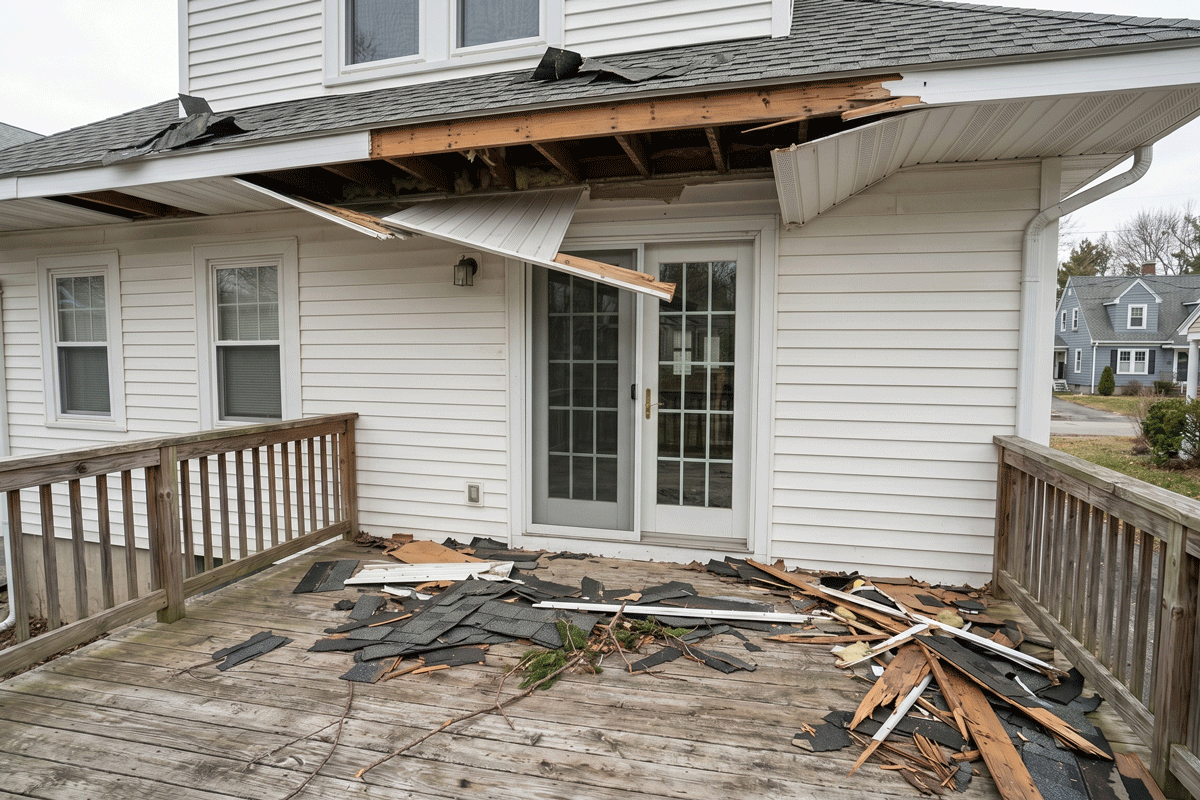
Step 4: Get a Professional Contractor Assessment
Before agreeing to a settlement figure, have a qualified restoration contractor assess the damage independently. A contractor who specializes in insurance restoration knows how to identify the full scope of damage, including hidden moisture, structural issues, and code-compliance upgrades that adjusters sometimes miss.
At J.E.P. Contracting, our insurance restoration assessments are thorough and honest. We document what we find, communicate clearly with adjusters, and advocate for the proper scope of work to fully restore your home.
Step 5: Scope Agreement and Contracts
Once the claim scope is agreed upon, the restoration contractor prepares a detailed scope of work. This document serves as the basis for the restoration contract and ensures that all homeowners, insurers, and contractors are aligned on what will be done.
Step 6: Restoration Work Begins
With scope and funding confirmed, restoration work begins. A well-managed insurance restoration project maintains regular communication with the homeowner, addresses any supplemental damage discovered during work, and keeps the project moving toward completion efficiently.

Common Delays and How to Avoid Them
Insurance restoration projects are vulnerable to delays at multiple points in the process. The most common include:
Incomplete initial documentation: Damage not documented during the initial documentation phase can require reinspection and renegotiation, adding weeks to the timeline. Document everything before anything is touched.
Scope disputes: When the contractor’s assessment of damage significantly exceeds the adjuster’s, negotiations take time. Working with a contractor who communicates professionally with adjusters and documents findings thoroughly minimizes these disputes.
Supplemental claims: Damage discovered during restoration that wasn’t included in the original claim requires a supplement and additional claim for the newly identified work. Experienced restoration contractors anticipate this and navigate it efficiently.
Contractor selection: Choosing the wrong contractor, one unfamiliar with the insurance restoration process, creates friction at every step. The contractor’s ability to communicate with your insurer in the right language matters as much as their construction skills.
Why Specialized Insurance Restoration Expertise Matters
Not every renovation contractor is equipped to handle insurance restoration effectively. The process requires:
- Understanding of insurance claim processes and the ability to communicate with adjusters in a language they understand
- Thorough damage assessment capabilities that capture the full scope of loss, including hidden and consequential damage
- Code compliance knowledge: Many restoration projects trigger required code upgrades that need to be properly documented for inclusion in the claim
- Project management experience, keeping a complex restoration project on schedule while navigating ongoing insurance communication, is a specialized skill.
At J.E.P. Contracting, our insurance restoration clients benefit from a single point of contact who manages both the construction and insurance communication processes. That coordination is what keeps projects moving and homeowners informed throughout recovery.
Conclusion
A damage event is never welcome, but with the right contractor guiding the process, insurance restoration can be managed efficiently and result in a home that’s fully restored, properly rebuilt, and genuinely better for the experience.
J.E.P. Contracting has the expertise, processes, and commitment to guide Worcester families through insurance restoration from the first call to the final walkthrough. We don’t just rebuild homes, we restore peace of mind.
Dealing with damage to your Worcester home? Contact J.E.P. Contracting today and let our insurance restoration team guide you through every step of the process.
Frequently Asked Questions
Q: Do I need a contractor before filing my insurance claim?
No, file your claim promptly with your insurer. However, getting a qualified contractor to assess the damage before accepting a settlement ensures the full scope of damage is accounted for in your claim.
Q: Can my insurance company require me to use a specific contractor?
No. In Massachusetts, you have the right to choose your own contractor for restoration work. Your insurer can recommend contractors, but the choice is yours.
Q: What if additional damage is found once restoration begins?
Additional damage discovered during work is handled through a supplemental claim. Your contractor documents and submits the supplement to your insurer. This is common in restoration projects, and experienced contractors navigate it as part of the process.
Q: How long does a typical insurance restoration project take?
It varies significantly based on the type and extent of damage. Fire and water damage projects can range from a few weeks to several months. Your J.E.P. Contracting project managers will give you a realistic timeline specific to your project once the scope is established.


