Exterior Upgrades Built for New England Weather: Siding, Roofing, and Beyond
Your home’s exterior takes a beating in Worcester. Between nor’easters, freeze-thaw cycles, summer humidity, and the occasional ice storm, central Massachusetts weather tests every material on your home’s façade. Exterior upgrades that look great on day one but fail within a decade aren’t an investment; they’re an expensive mistake.
At J.E.P. Contracting, we’ve spent over two decades helping Worcester homeowners choose and install exterior materials that perform beautifully year after year in New England conditions. Here’s what you need to know before planning your next exterior project.
Why New England Weather Demands a Different Standard
Not all climates ask the same things of exterior materials. In Worcester, your siding, roofing, trim, and windows face:
- Freeze-thaw cycles that cause expansion and contraction in any material that holds moisture
- Heavy snow and ice loads that test roofing systems and gutters
- High humidity and summer heat accelerate paint failure and wood rot
- Wind-driven rain that finds every gap in an improperly installed system
A material that performs adequately in a moderate climate may fail prematurely in ours. The combination of material selection and installation quality is what determines whether your exterior upgrade lasts 10 years or 40.
Siding: Choosing the Right Material for Worcester Homes
Siding is your home’s first line of defense against the elements and your most visible exterior investment. Each major siding category has real advantages and trade-offs worth understanding before you commit.
Vinyl Siding
Vinyl is the most widely used siding material in the country for good reason. It’s affordable, requires virtually no maintenance, and holds its color well. Modern vinyl siding has improved significantly; insulated vinyl products add thermal performance, and better formulations resist impact and UV fading better than previous generations.
The trade-off is that standard vinyl can become brittle in extreme cold, making it more susceptible to cracking from impact in the winter months. High-quality vinyl products mitigate this, but material grade matters enormously.
Fiber Cement Siding
Fiber cement siding like James Hardie has become a favorite for New England homes, and for good reason. It’s dimensionally stable through temperature swings, moisture-resistant, impervious to rot and insects, and holds paint exceptionally well. It also convincingly mimics the look of wood clapboard.
The investment is higher than vinyl, but the longevity and performance in New England conditions make fiber cement one of the best long-term values available. We specify it frequently for Worcester homes and have seen it hold up beautifully over many years.
Wood and Cedar Siding
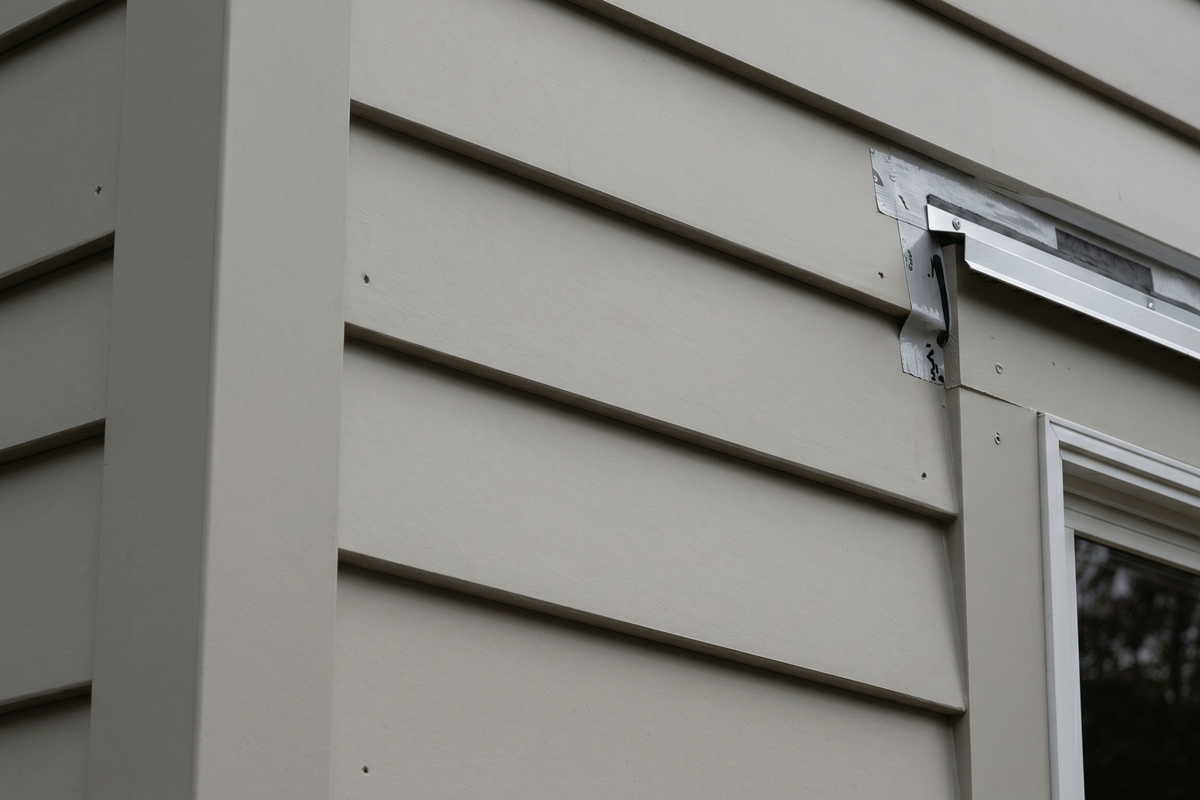
Wood siding, particularly cedar, has a timeless appeal that synthetic materials struggle to replicate. Cedar is naturally resistant to rot and insects, and when properly installed, finished, and maintained, it performs admirably in New England weather.
At J.E.P. Contracting, we have extensive experience with cedar siding and understand the specific installation and finishing details that determine its longevity. Proper back-priming, appropriate flashing at all penetrations, and a quality finish coat are non-negotiable. When these steps are followed, cedar siding is a premium, lasting choice and one that connects Worcester homes to their architectural heritage.
Maintenance is more demanding than fiber cement or vinyl, but for homeowners who value the authentic character of natural wood, it’s a worthwhile commitment.
Roofing: Performance Under Pressure
Your roof is arguably your home’s most critical exterior system. In Worcester, a roofing failure can lead to ice dams, water infiltration, and extensive, costly interior damage.
Architectural Asphalt Shingles
The most common residential roofing material, architectural (dimensional) asphalt shingles, has improved substantially in quality and longevity. High-quality products carry 30- to 50-year warranties and, when properly installed with adequate ventilation and ice-and-water shields at eaves and valleys, perform well in New England conditions.
Ice-and-water shield installation is particularly important in Worcester, extending this membrane well up the roof slope (typically a minimum of 6 feet from the eave) to protect against ice-dam water infiltration that Worcester winters can produce.
Metal Roofing
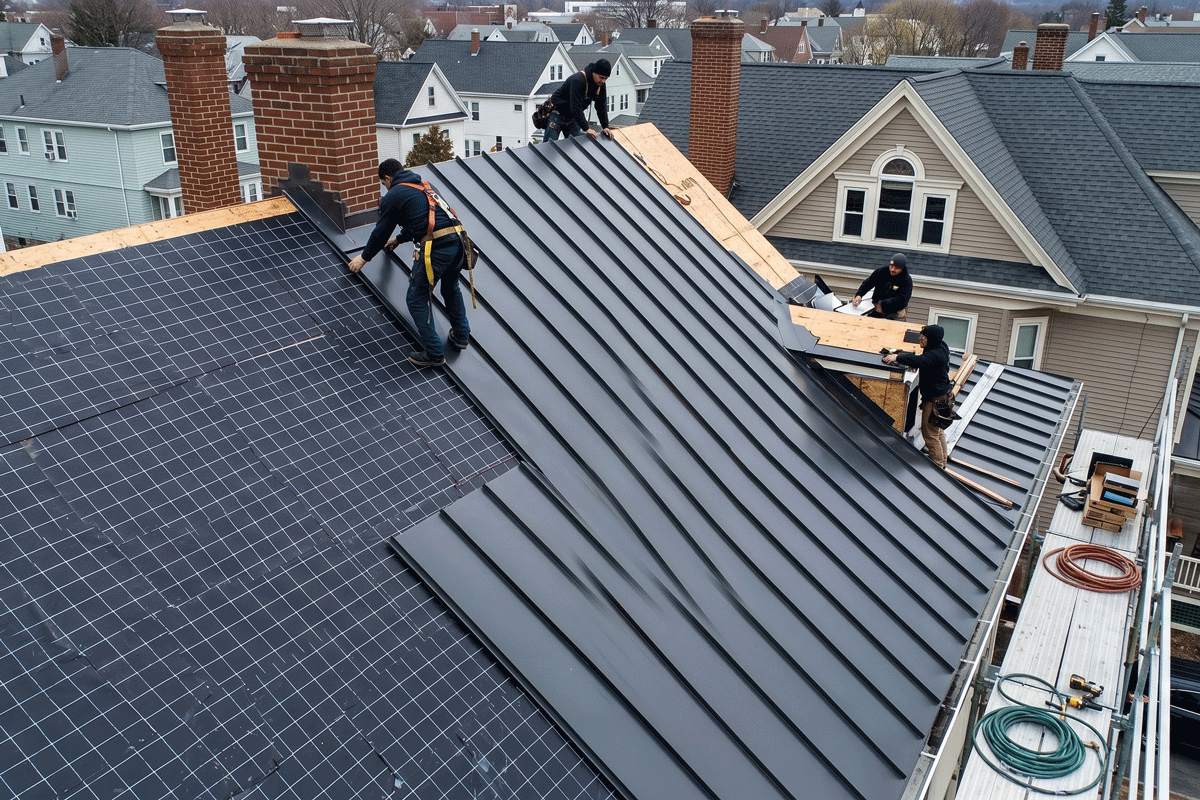
Standing seam metal roofing is growing in popularity in the Worcester area, and its New England performance credentials are strong. Snow sheds cleanly from a metal roof, ice damming is far less problematic than with shingles, and a quality metal roof can last 50 years or more with minimal maintenance. The upfront cost is higher, but the lifecycle economics are compelling for homeowners planning to stay in their home long-term.
Energy Efficiency: The Hidden Value of Exterior Upgrades
Exterior upgrades aren’t just about appearance and weather protection; they’re also a significant opportunity to improve your home’s energy performance.
Insulated siding adds continuous insulation around your home’s envelope, reducing thermal bridging through wall framing. The impact on heating bills in a Worcester winter is real and measurable.
Window replacement combined with siding projects is a natural pairing. New windows eliminate air infiltration at one of the biggest points of energy loss in older homes.
Roof insulation and ventilation improvements can simultaneously dramatically reduce ice dam formation and improve attic thermal performance.
Maintenance Tips for New England Exteriors
Even the best exterior materials require periodic attention to perform at their best.
- Annual inspection of caulking at windows, doors, and penetrations. These are the first places moisture enters
- Gutter cleaning in fall and spring to prevent water backup that contributes to ice dams and fascia rot
- Wood siding repainting on the appropriate cycle, typically every 8–12 years for cedar, depending on exposure
- Roof inspection after significant weather events, particularly for missing or damaged shingles
Conclusion
Exterior upgrades in Worcester aren’t just aesthetic choices; they’re performance decisions. The right materials, installed with the care and expertise New England conditions demand, protect your home and your investment for decades.
J.E.P. Contracting brings over 20 years of exterior work on Worcester homes to every project. We know which materials perform in our climate, how to install them correctly, and how to design exterior improvements that look exceptional and last.
Ready to upgrade your home’s exterior? Contact J.E.P. Contracting today for a free consultation, and let’s build an exterior that stands up to whatever New England throws at it.
Frequently Asked Questions
Q: What is the best siding material for a Worcester home?
Fiber cement siding offers the best balance of durability, low maintenance, and performance in New England conditions. Cedar is the premium choice for homeowners who prefer natural wood and are willing to maintain it. Vinyl is the most budget-friendly option when quality products are specified.
Q: How do I prevent ice dams on my roof?
Proper attic insulation and ventilation are the primary defenses against ice dams. During reroofing, extending the ice-and-water shield well up from the eaves provides critical backup protection. Keeping gutters clear is also essential.
Q: How long should quality siding last in Massachusetts?
Fiber cement siding typically lasts 30–50 years with minimal maintenance. Quality cedar siding can last 20–40 years with proper maintenance and repainting. High-quality vinyl siding typically carries a 20–40 year warranty.
Q: Is it worth replacing windows at the same time as siding?
In most cases, yes. Combining window replacement with a siding project reduces labor costs, eliminates the disruption of a second project, and ensures that flashing and trim work around windows is done correctly once rather than twice.